01
List of the Documents
The section organizes the available documentation and provenance signals so the artwork can be reviewed as a traceable object, not only as an image.

Real client case
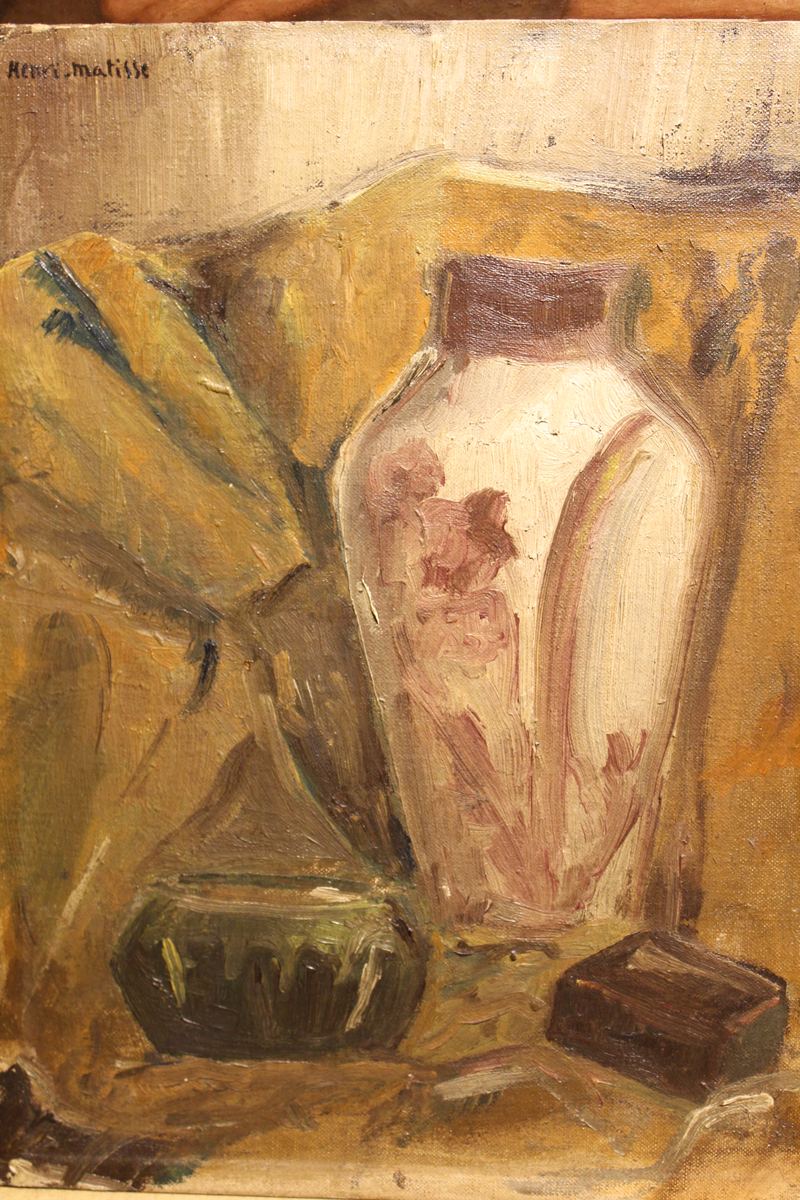
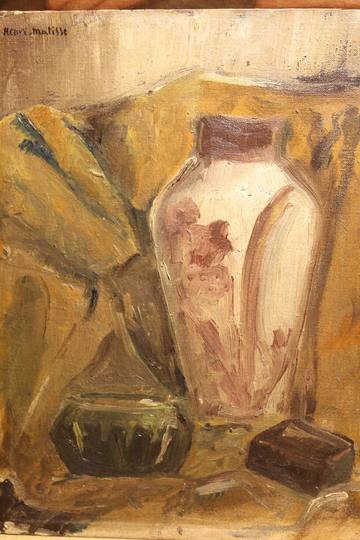
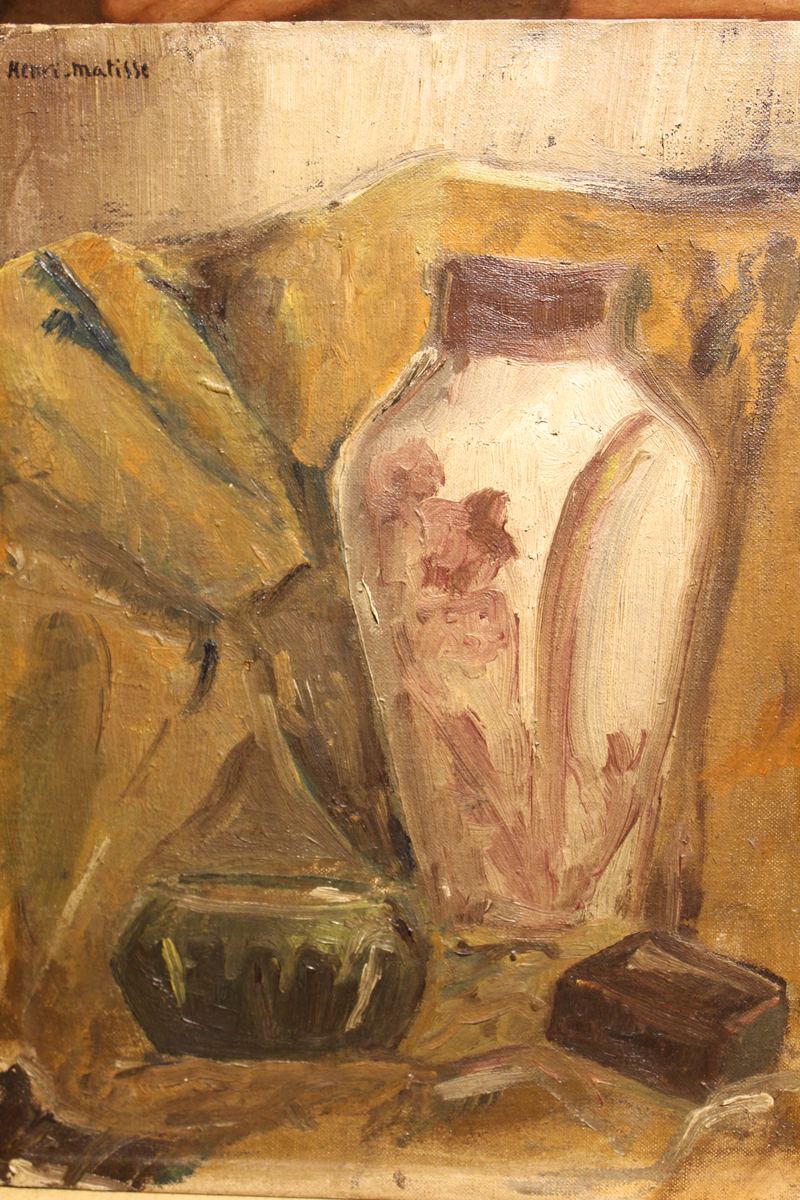
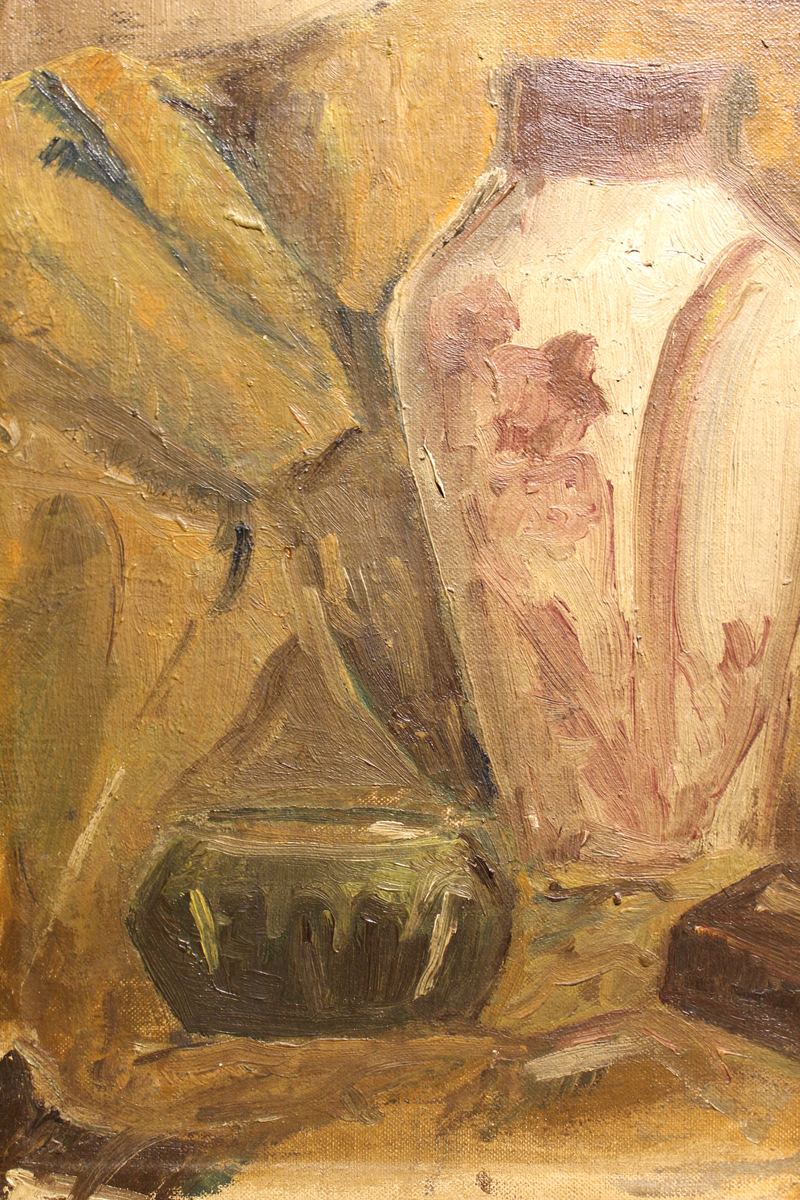
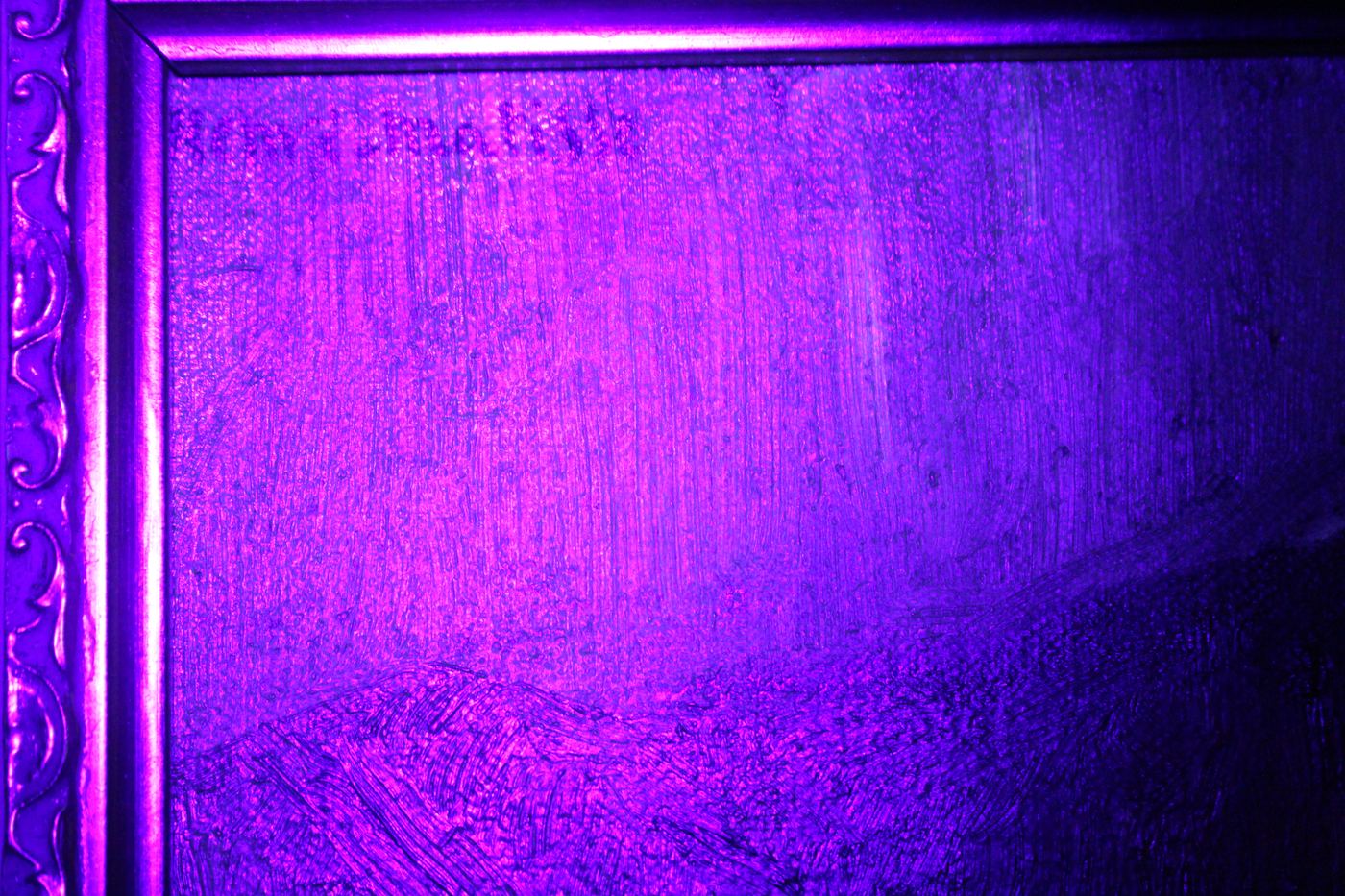
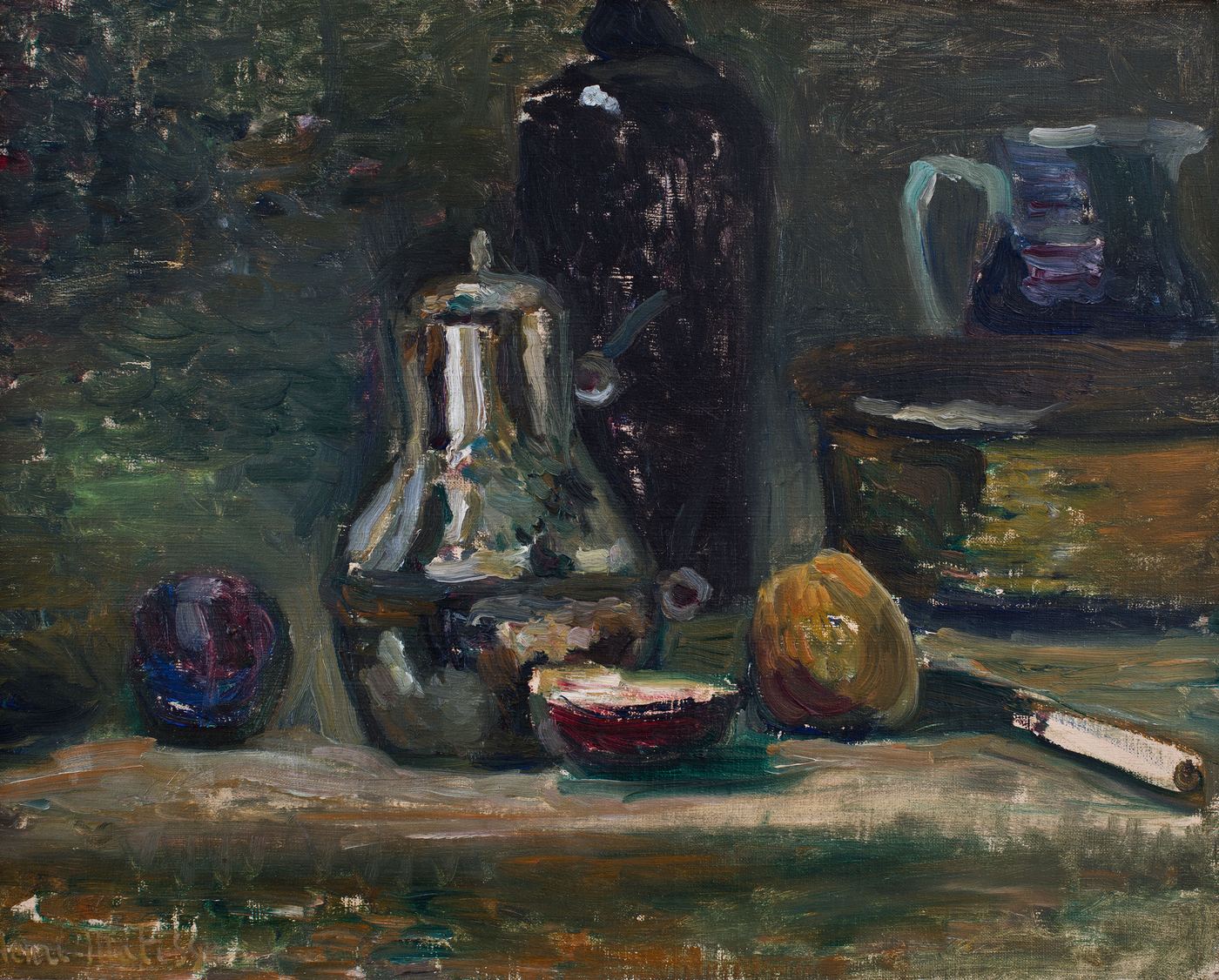
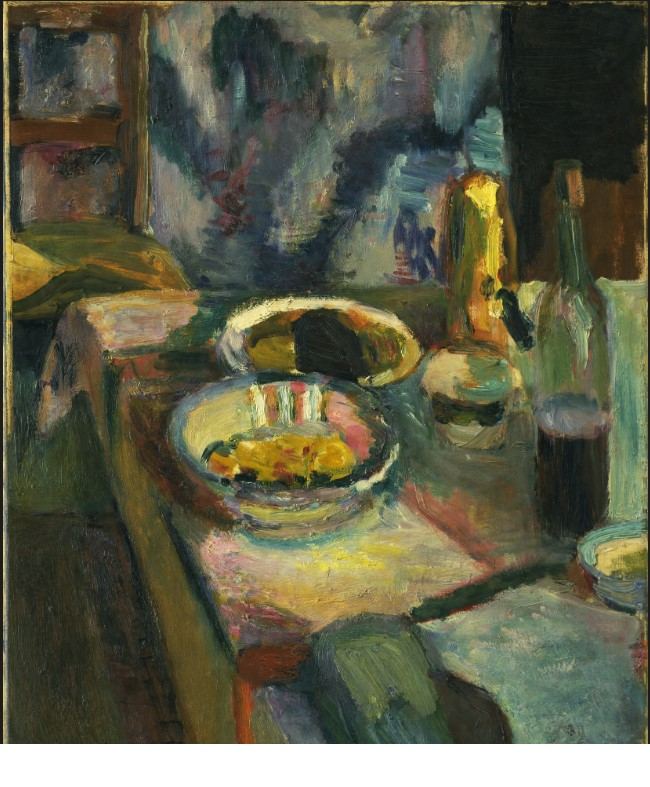
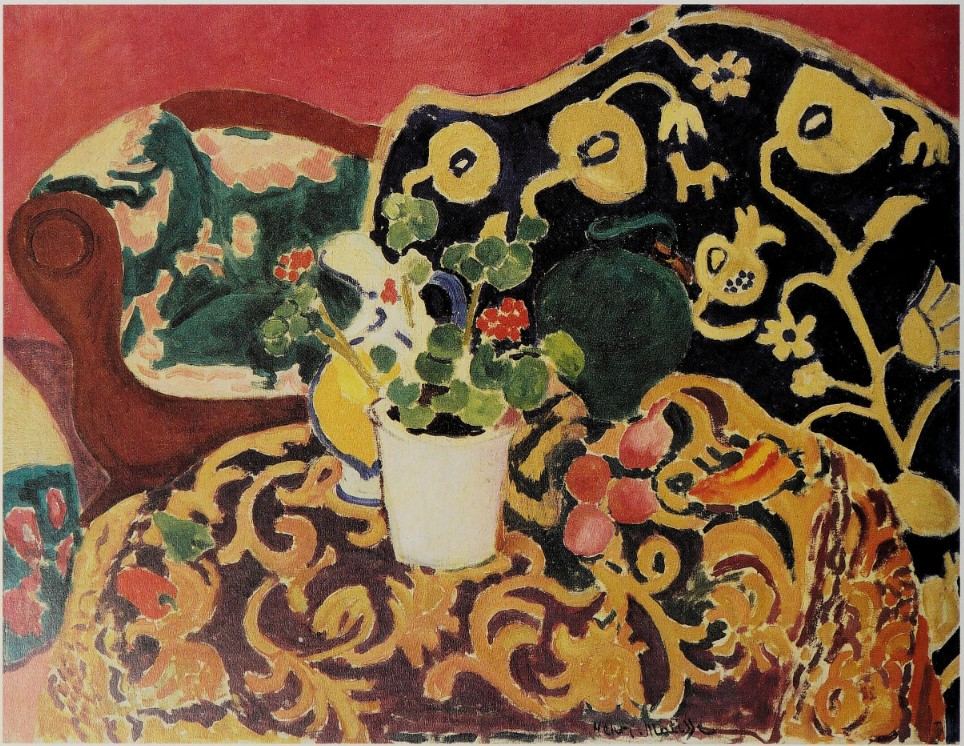
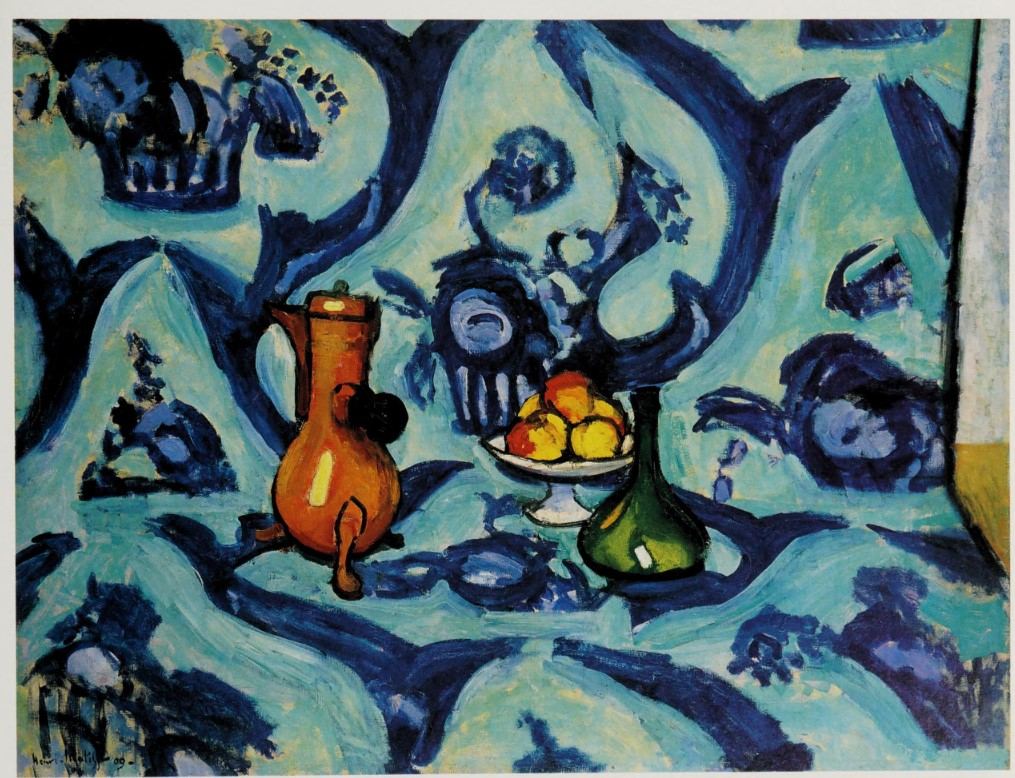
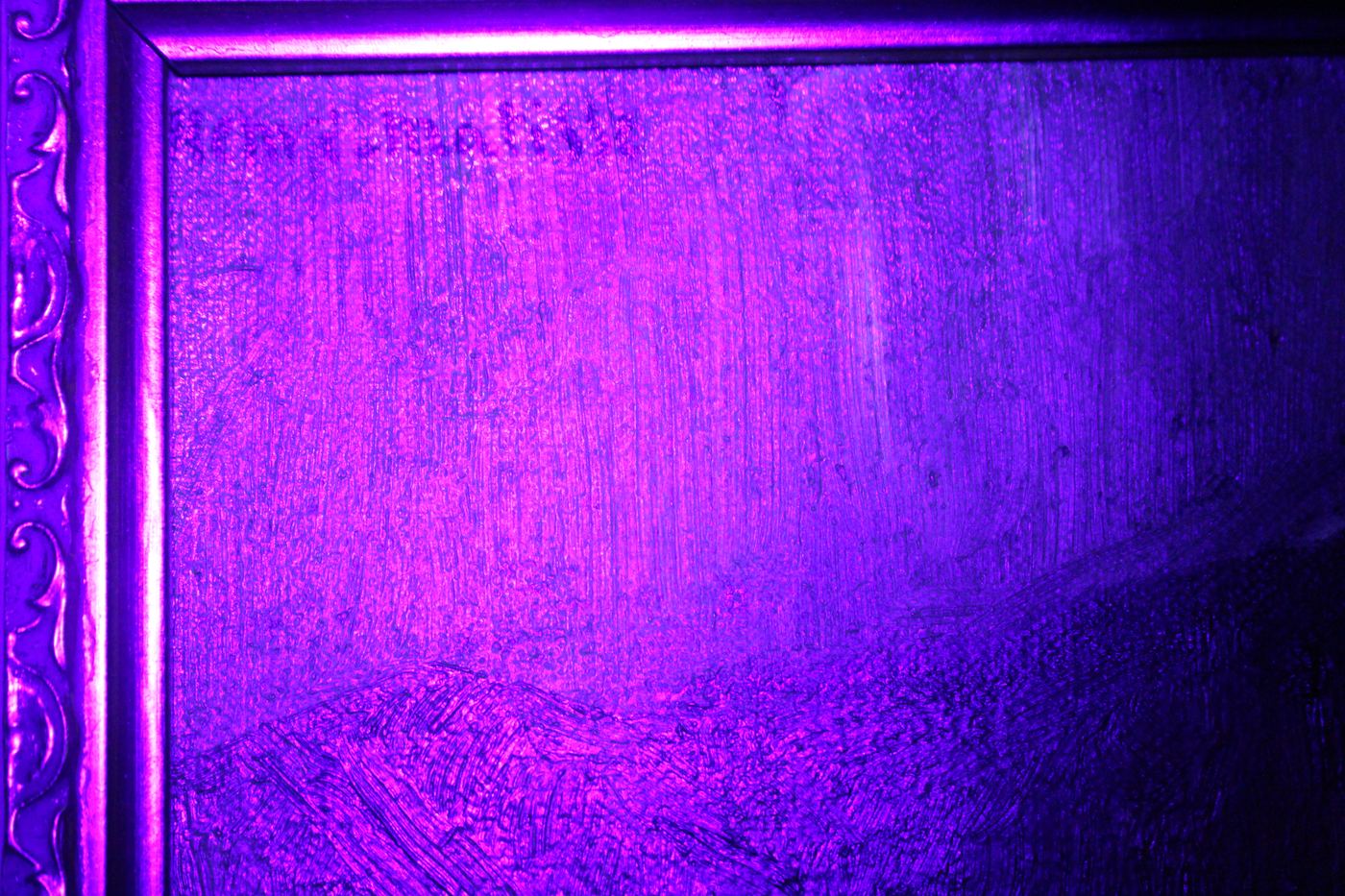
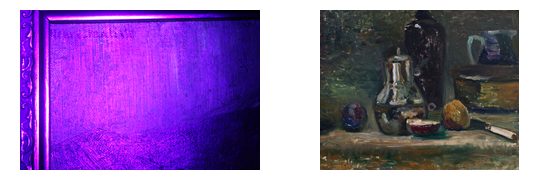
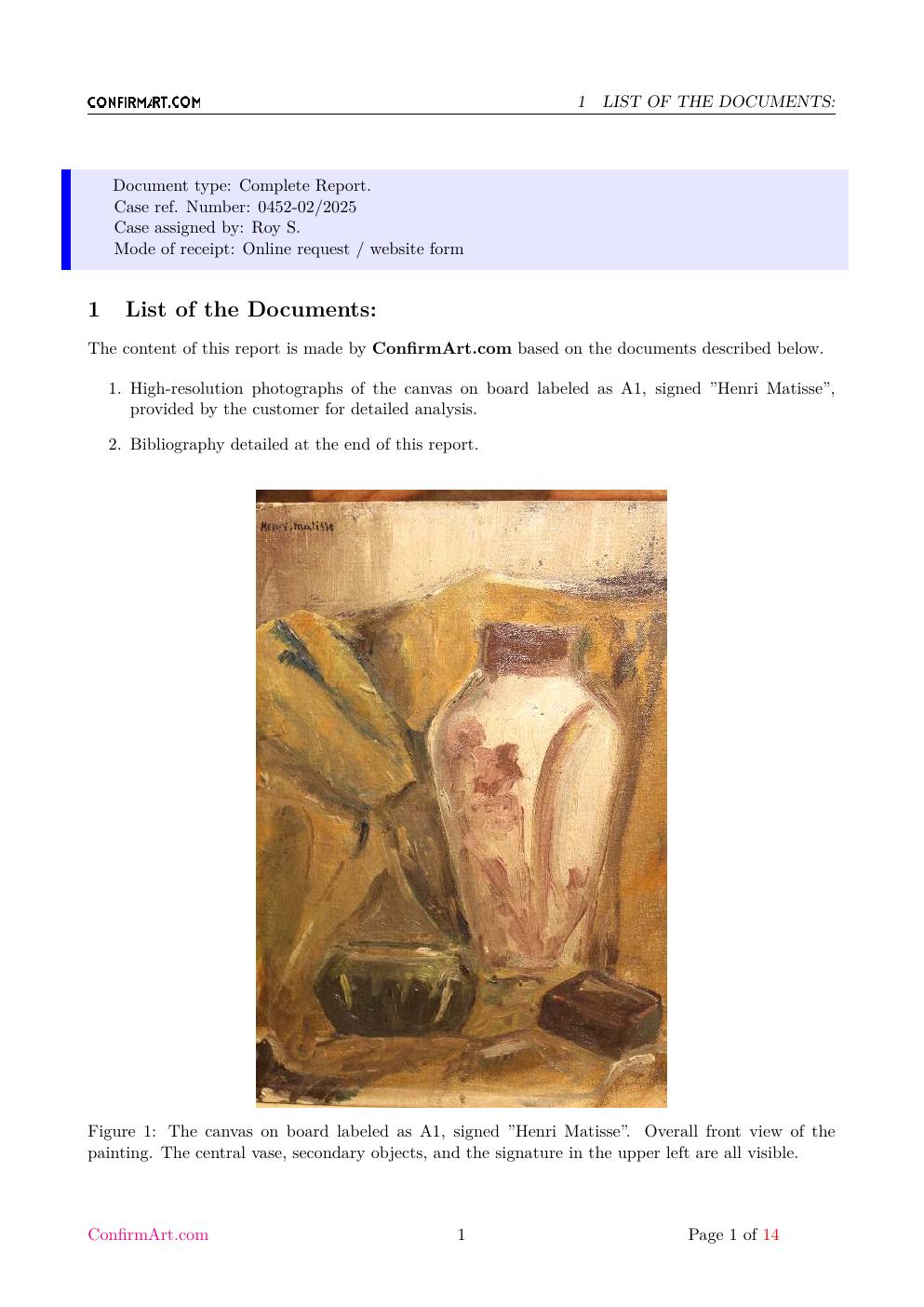
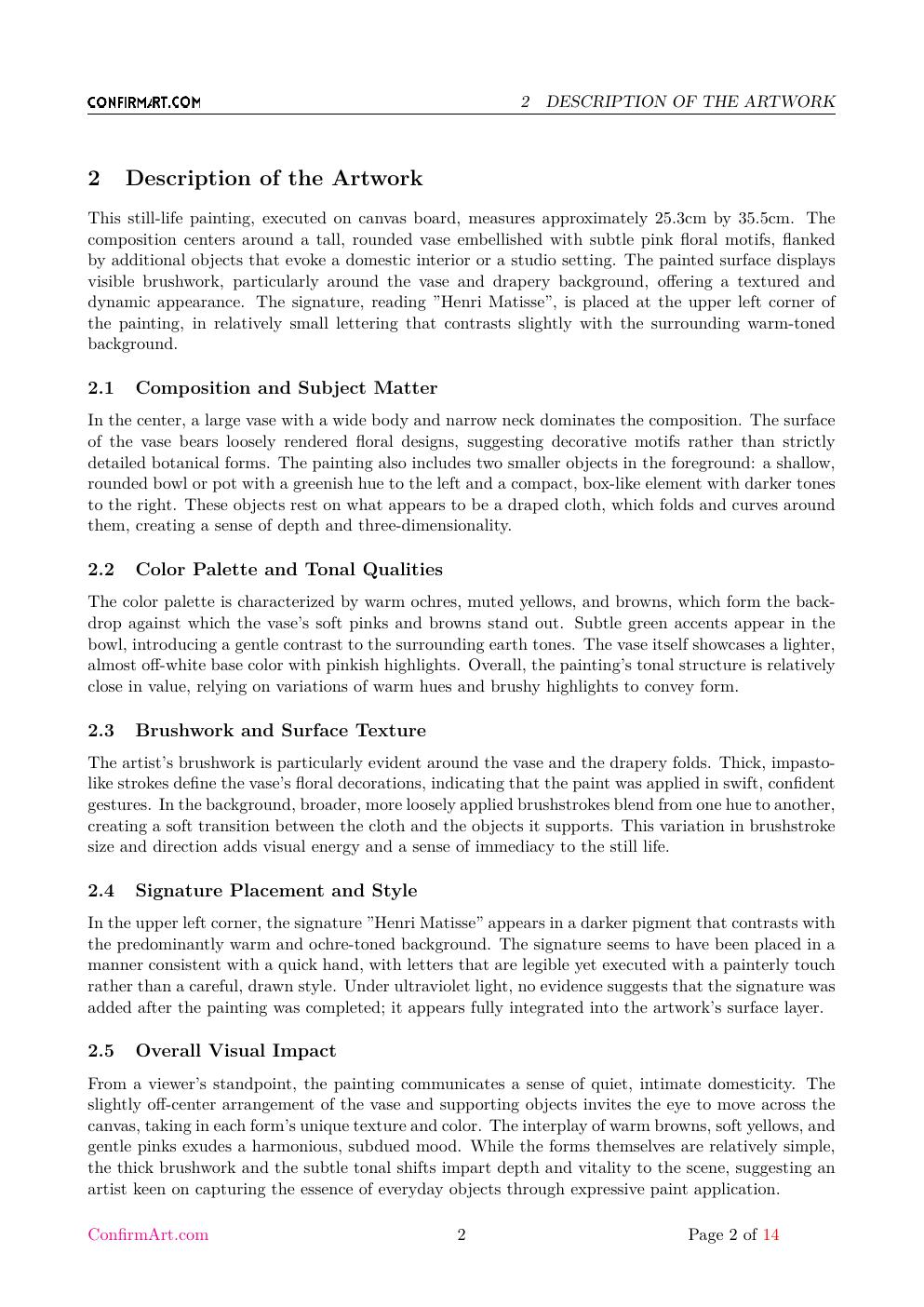
a still-life painting on canvas board signed Henri Matisse, with a frontal view, reverse image, signature detail, condition observations, comparative visual analysis and age/authenticity concerns.
Selected evidence

Report structure
The section organizes the available documentation and provenance signals so the artwork can be reviewed as a traceable object, not only as an image.
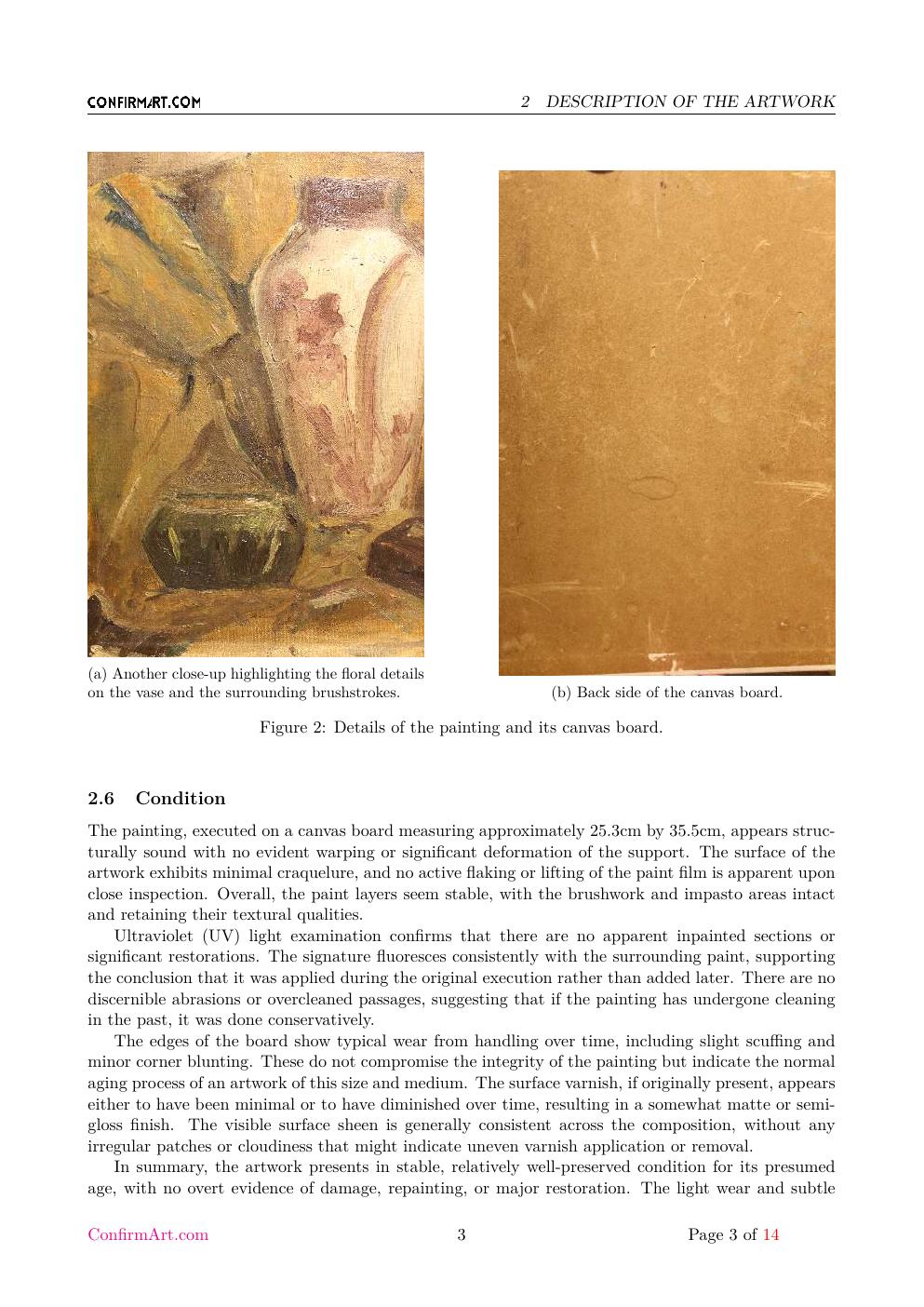
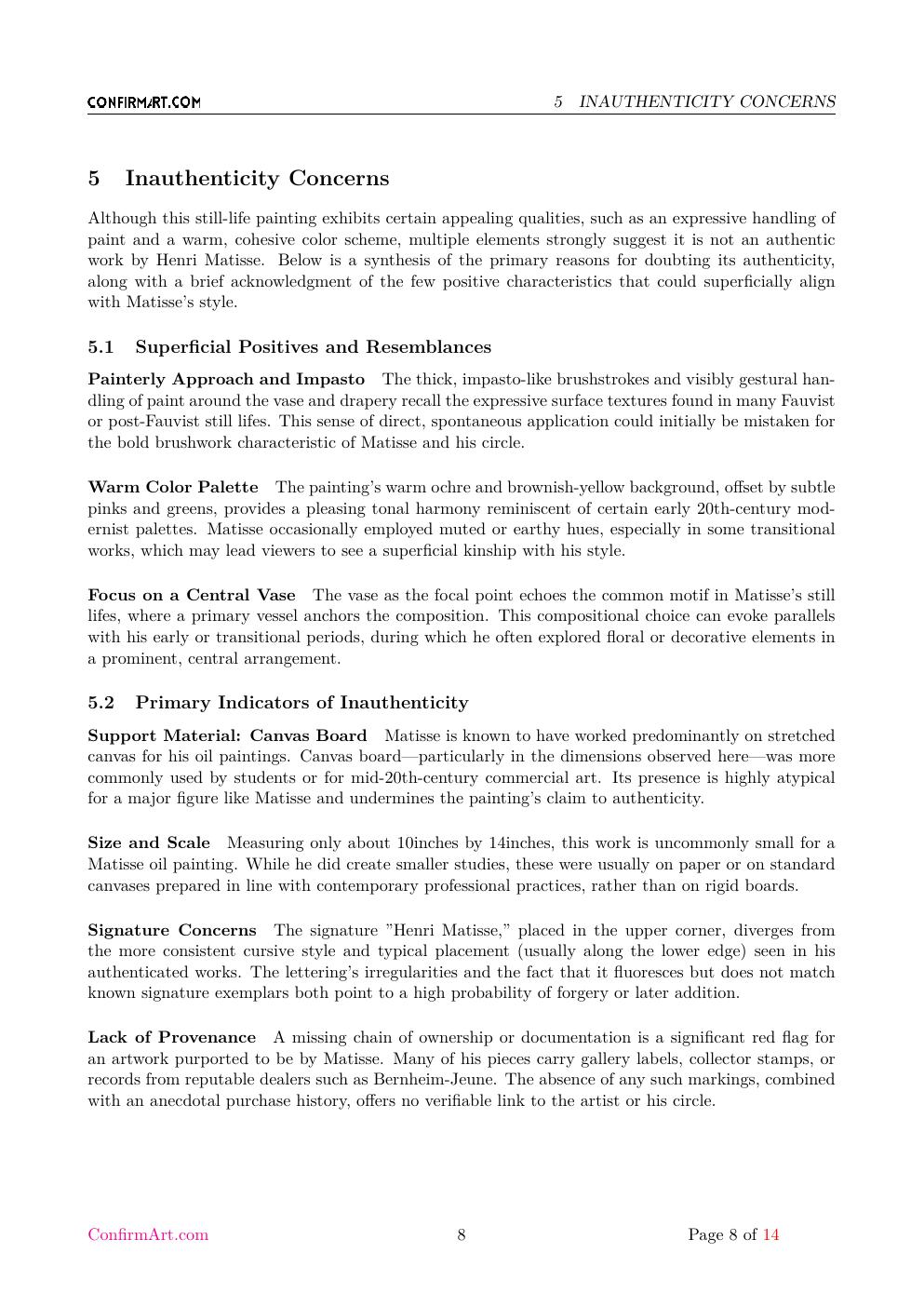
From a viewer's standpoint, the painting communicates a sense of quiet, intimate domesticity. The slightly off- arrangement of the vase and supporting objects invites the eye to move across the canvas, taking in each form's unique texture and color. The interplay of warm browns, soft yellows, and gentle pinks exudes a harmonious, subdued mood.
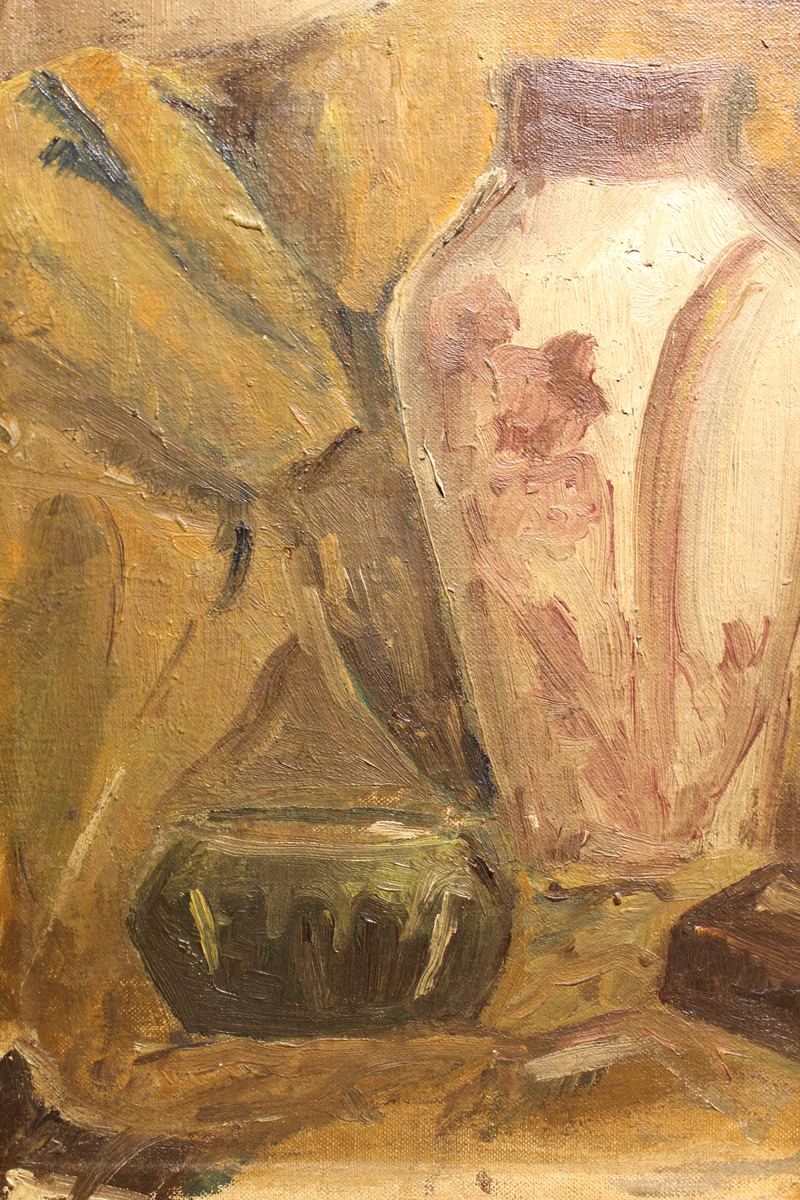
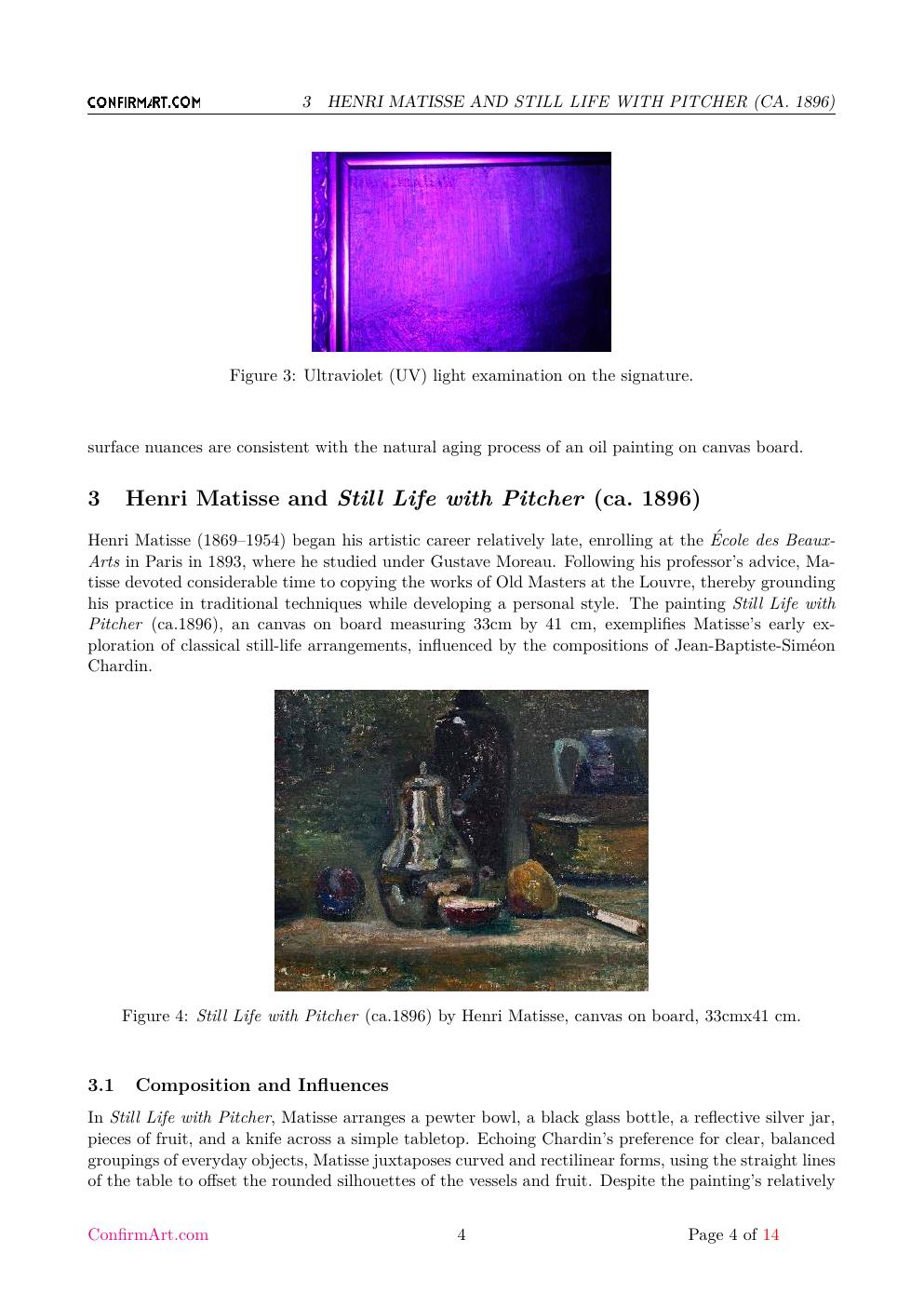
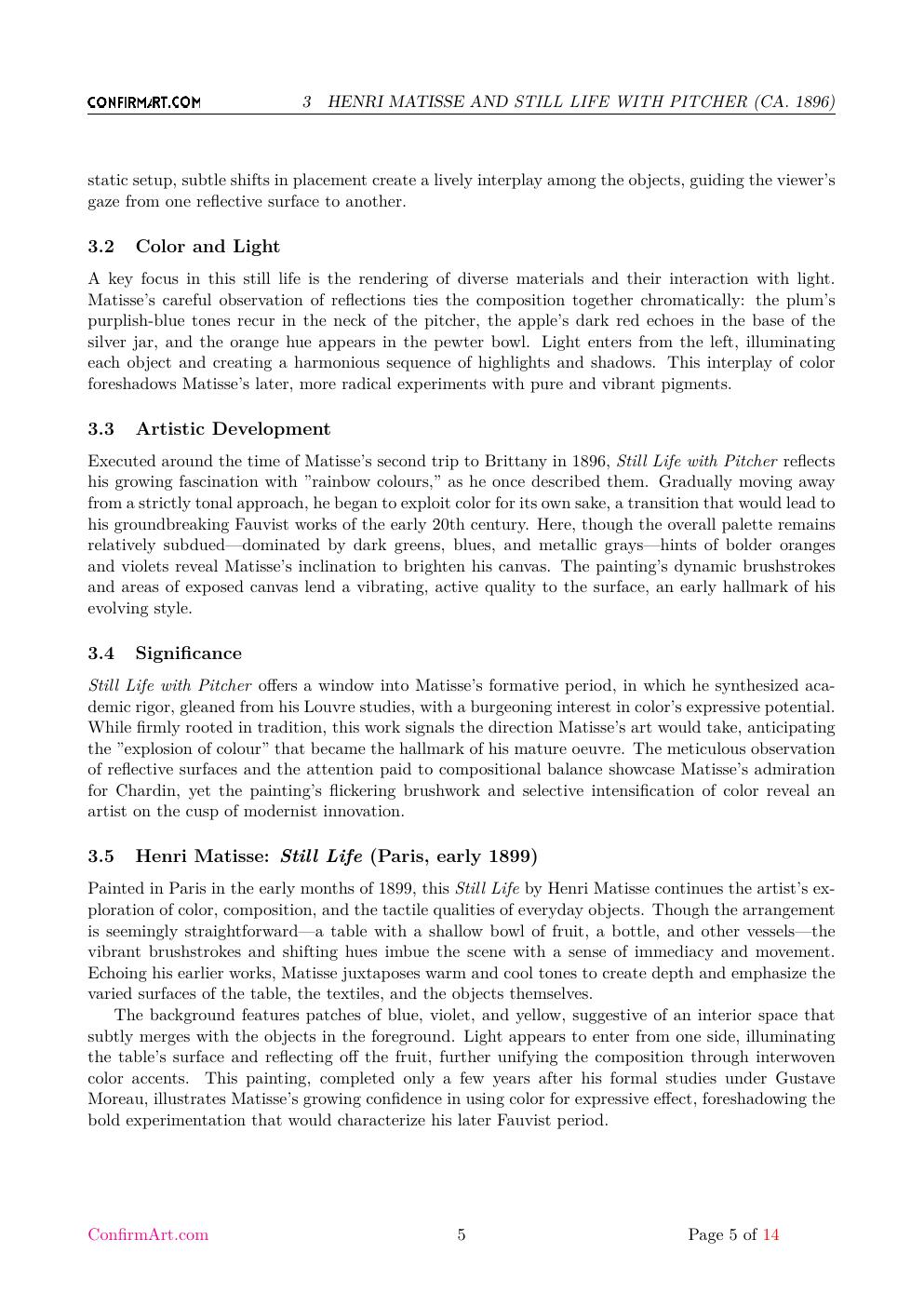
The painting, executed on a canvas board measuring approximately 25.3cm by 35.5cm, appears structurally sound with no evident warping or significant deformation of the support. The surface of the artwork exhibits minimal craquelure, and no active flaking or lifting of the paint film is apparent upon close inspection. Overall, the paint layers seem stable, with the brushwork and impasto areas intact and retaining their textural qualities.
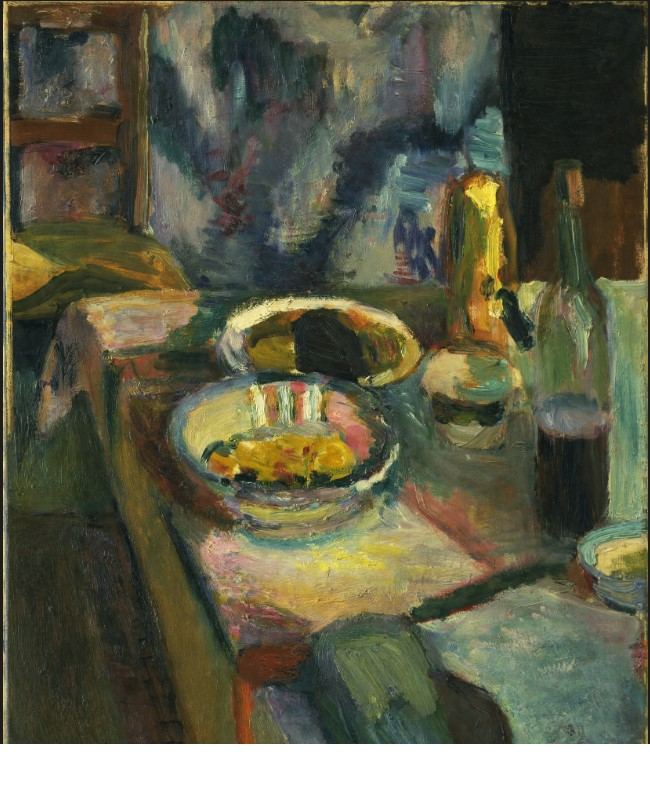
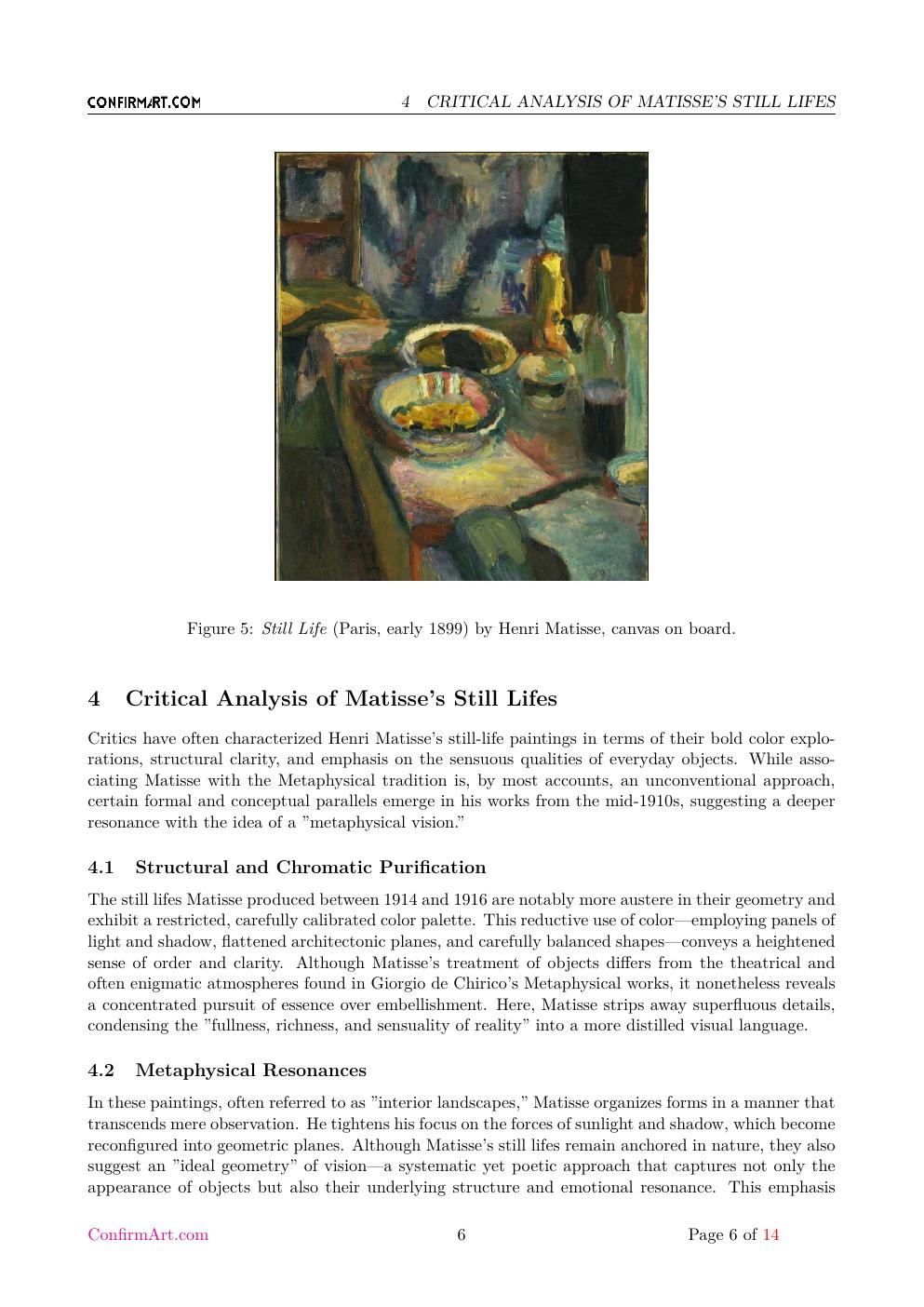
Still Life with Pitcher offers a window into Matisse's formative period, in which he synthesized academic rigor, gleaned from his Louvre studies, with a burgeoning interest in color's expressive potential. While firmly rooted in tradition, this work signals the direction Matisse's art would take, anticipating the "explosion of colour" that became the hallmark of his mature oeuvre. The meticulous observation of reflective surfaces and the attention paid to compositional balance showcase Matisse's admiration for Char
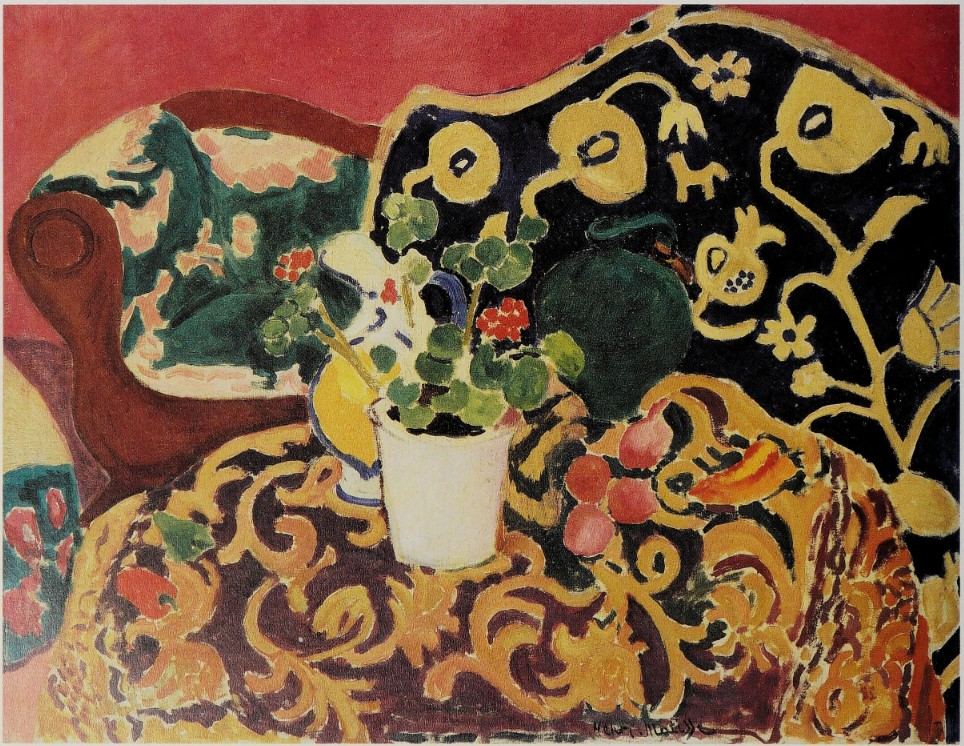
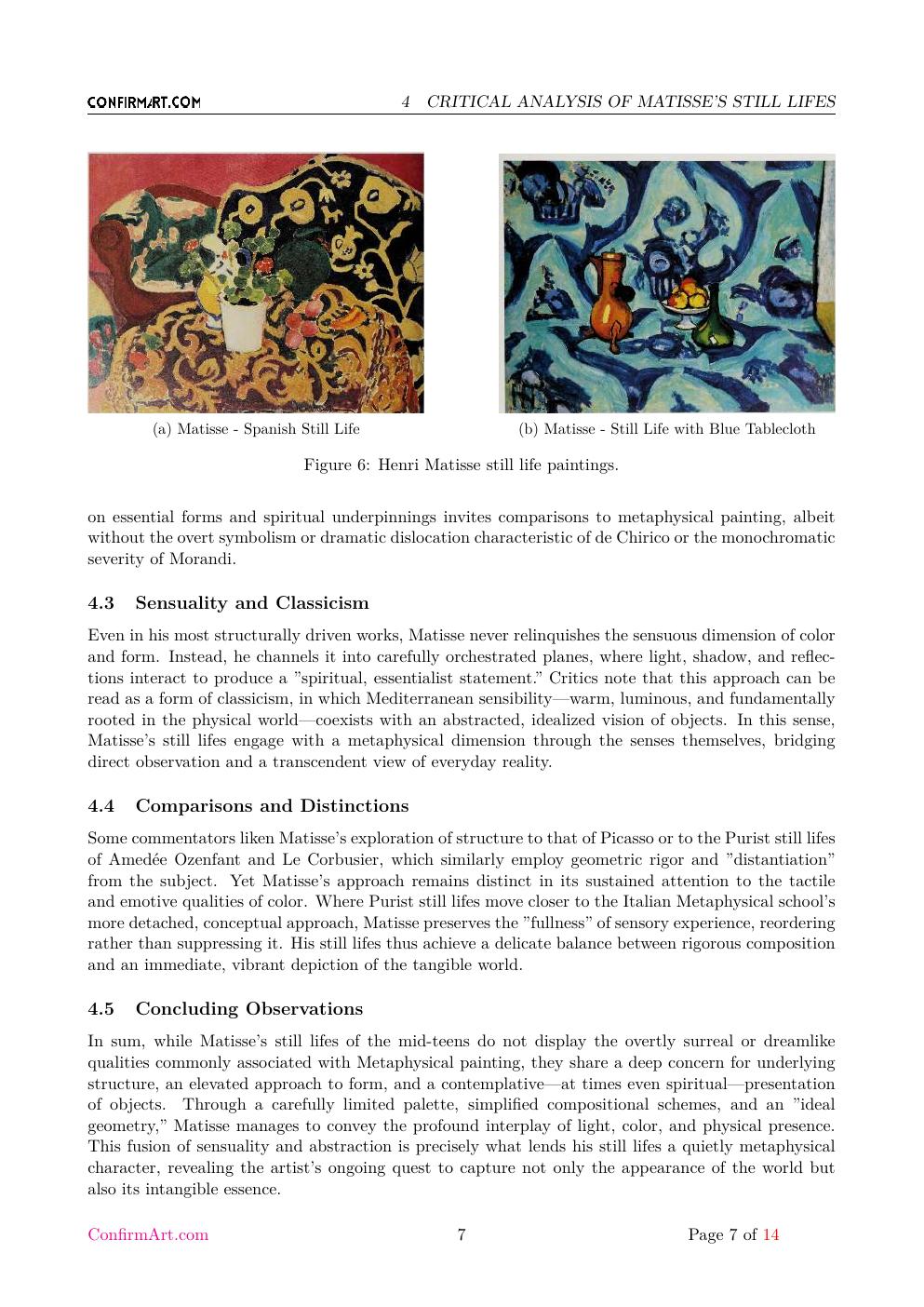
The still lifes Matisse produced between 1914 and 1916 are notably more austere in their geometry and exhibit a restricted, carefully calibrated color palette. This reductive use of color—employing panels of light and shadow, flattened architectonic planes, and carefully balanced shapes—conveys a heightened sense of order and clarity. Although Matisse's treatment of objects differs from the theatrical and often enigmatic atmospheres found in Giorgio de Chirico's Metaphysical works, it nonetheless reveals a concentr
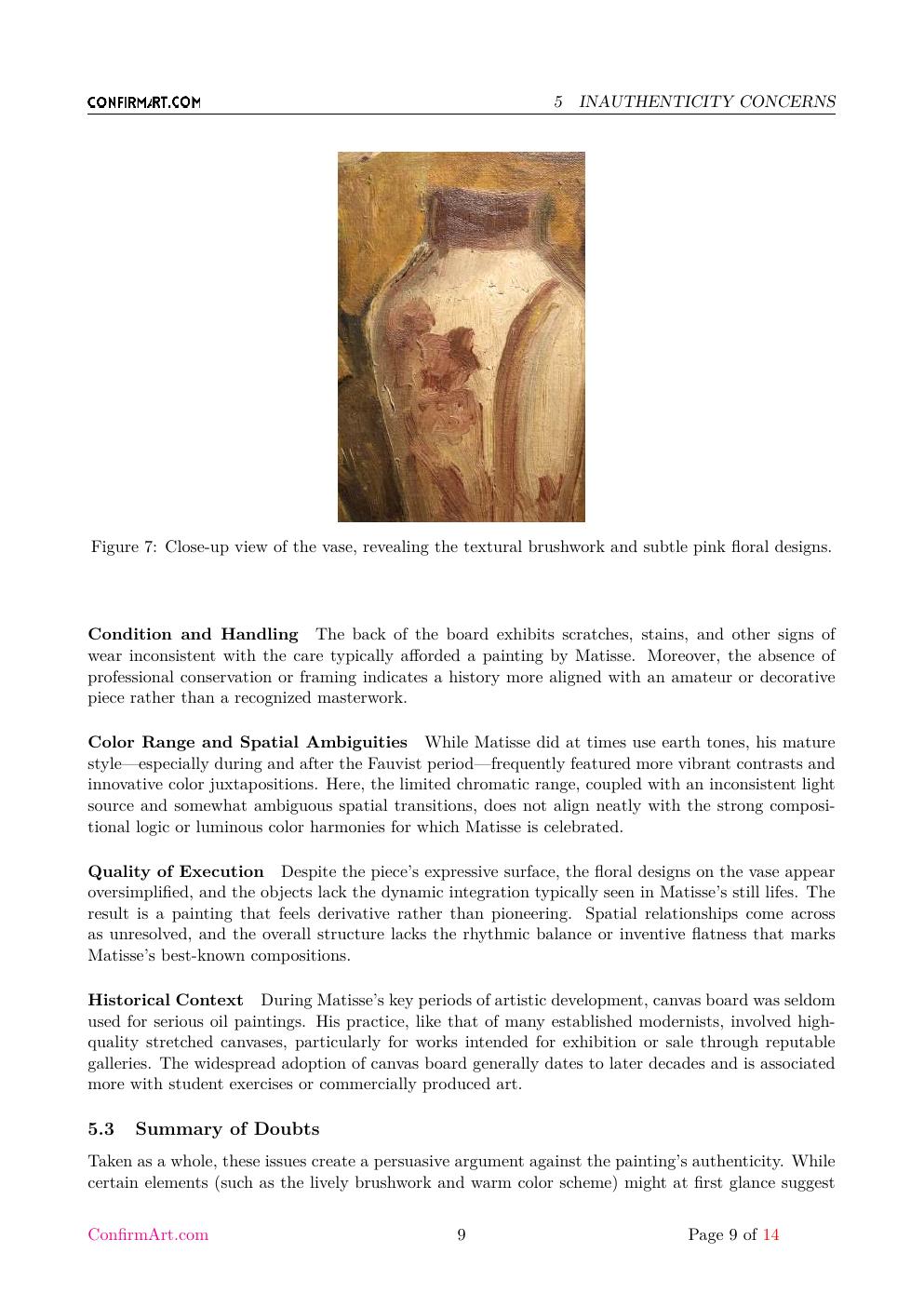
Support Material: Canvas Board Matisse is known to have worked predominantly on stretched canvas for his oil paintings. Canvas board—particularly in the dimensions observed here—was more commonly used by students or for mid-20th-century commercial art. Its presence is highly atypical for a major like Matisse and undermines the painting's claim to authenticity.
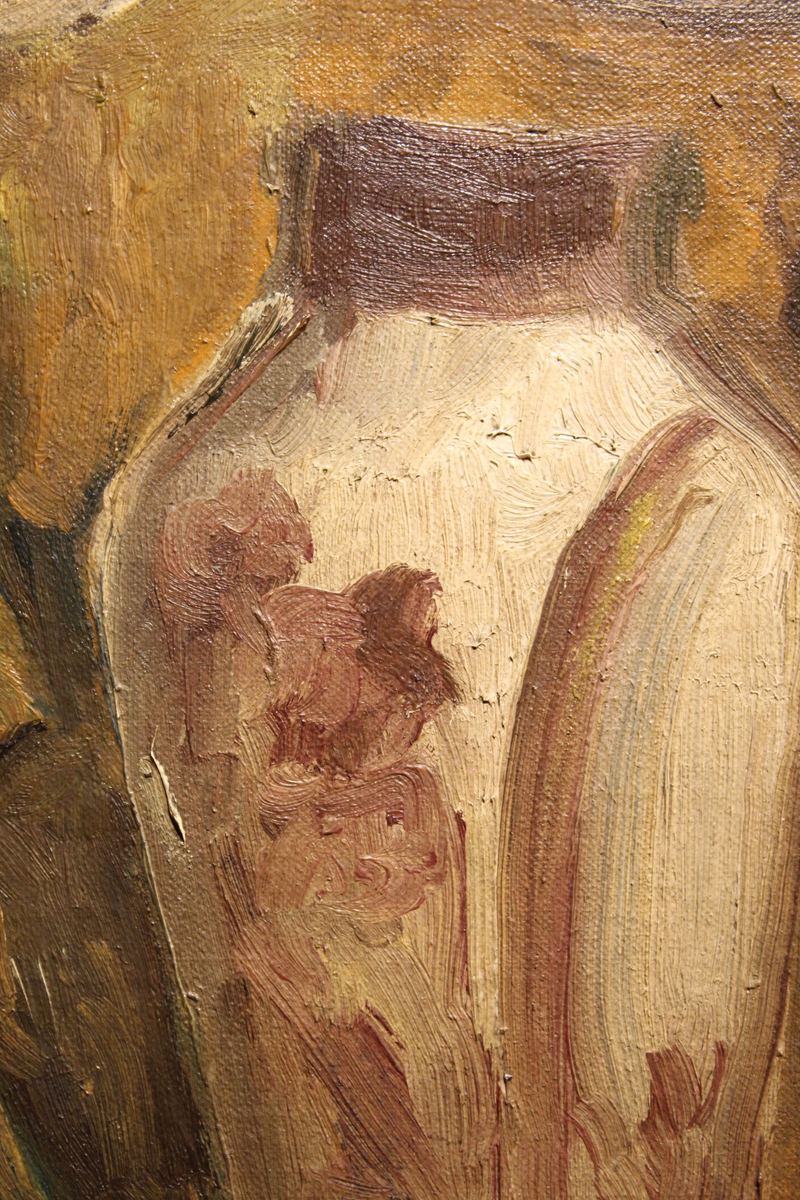
Authentication evidence

Private authentication
Use this real case as a reference for the kind of evidence that can be organized in a private authentication report.
Public report viewer
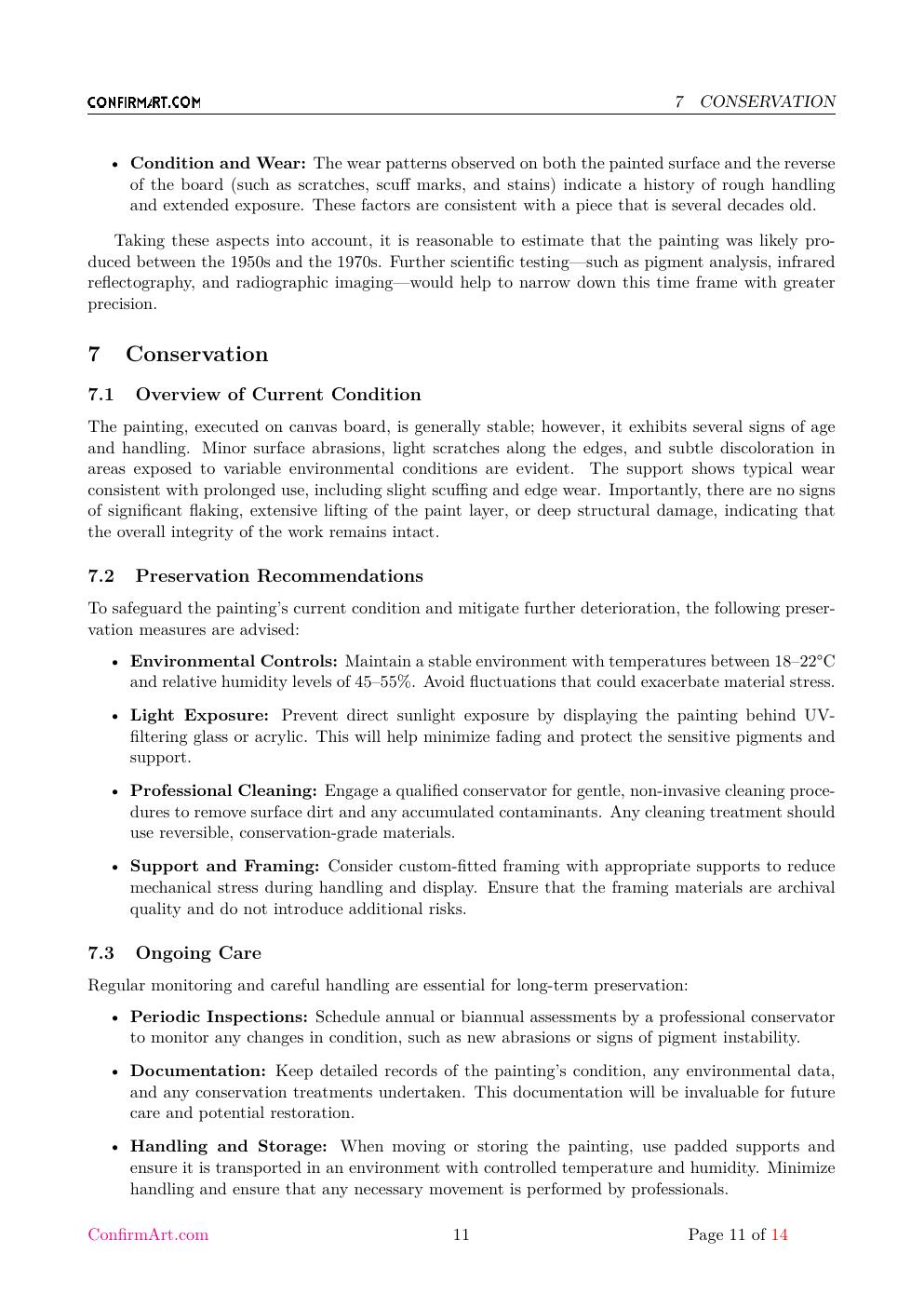
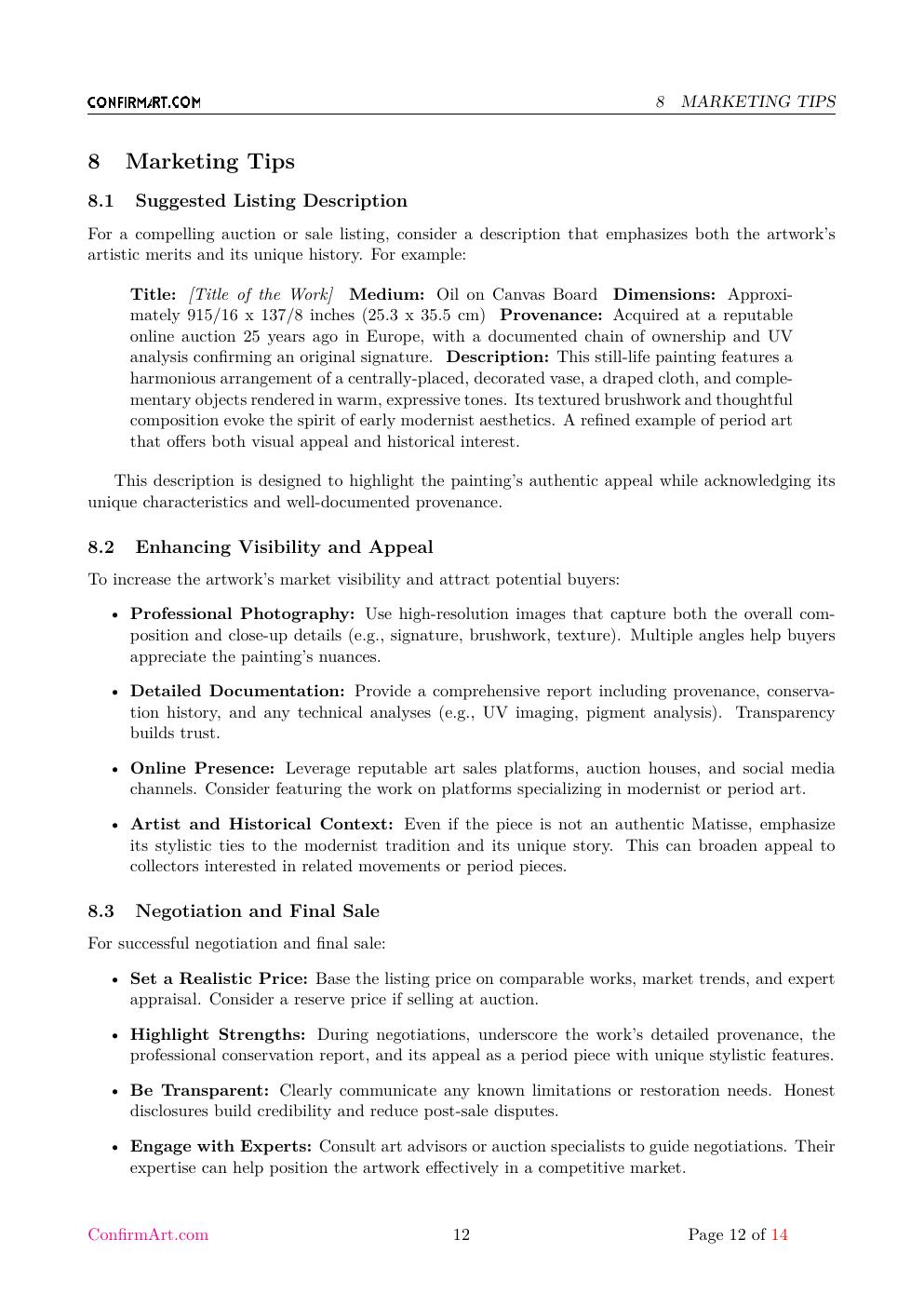
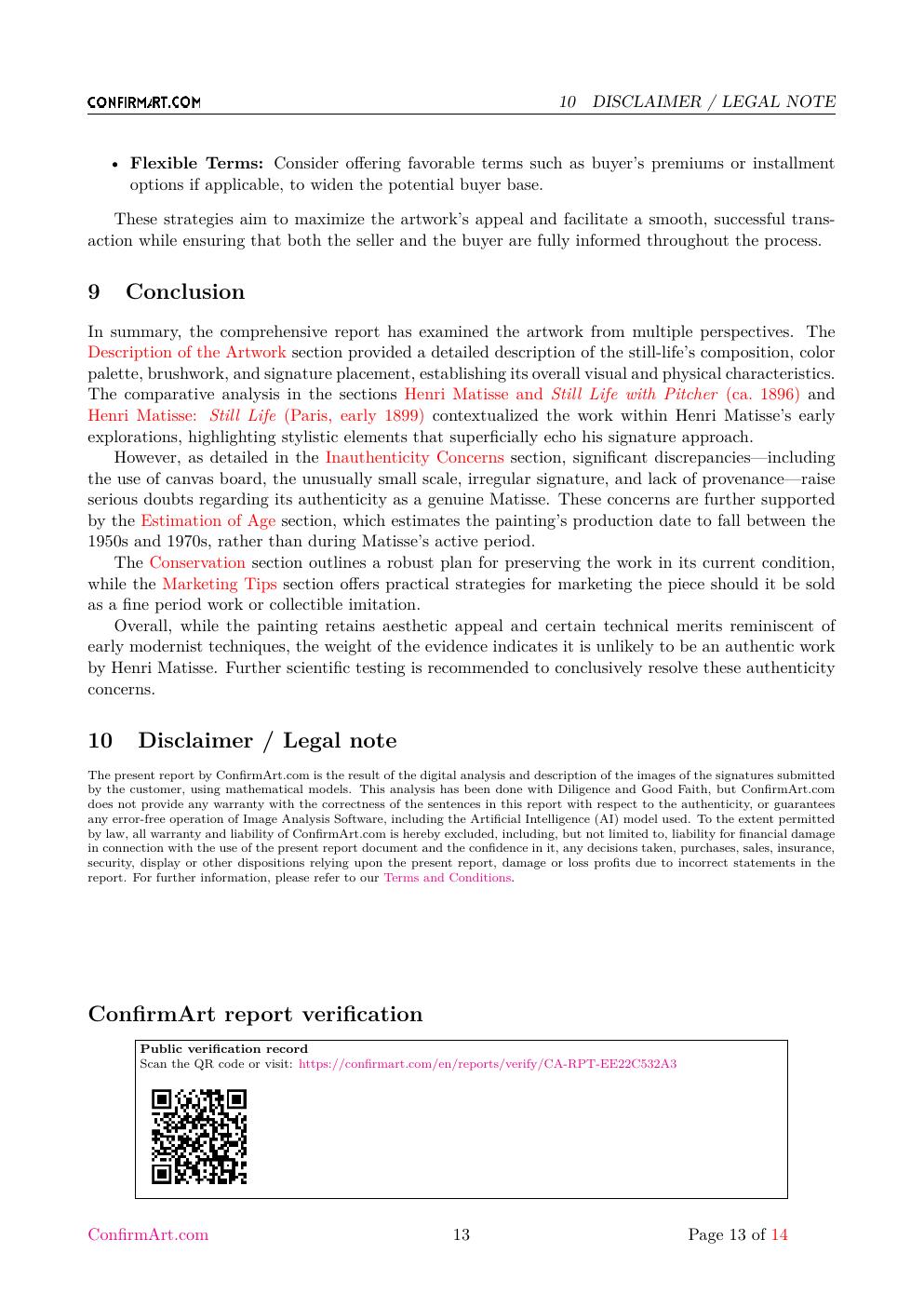
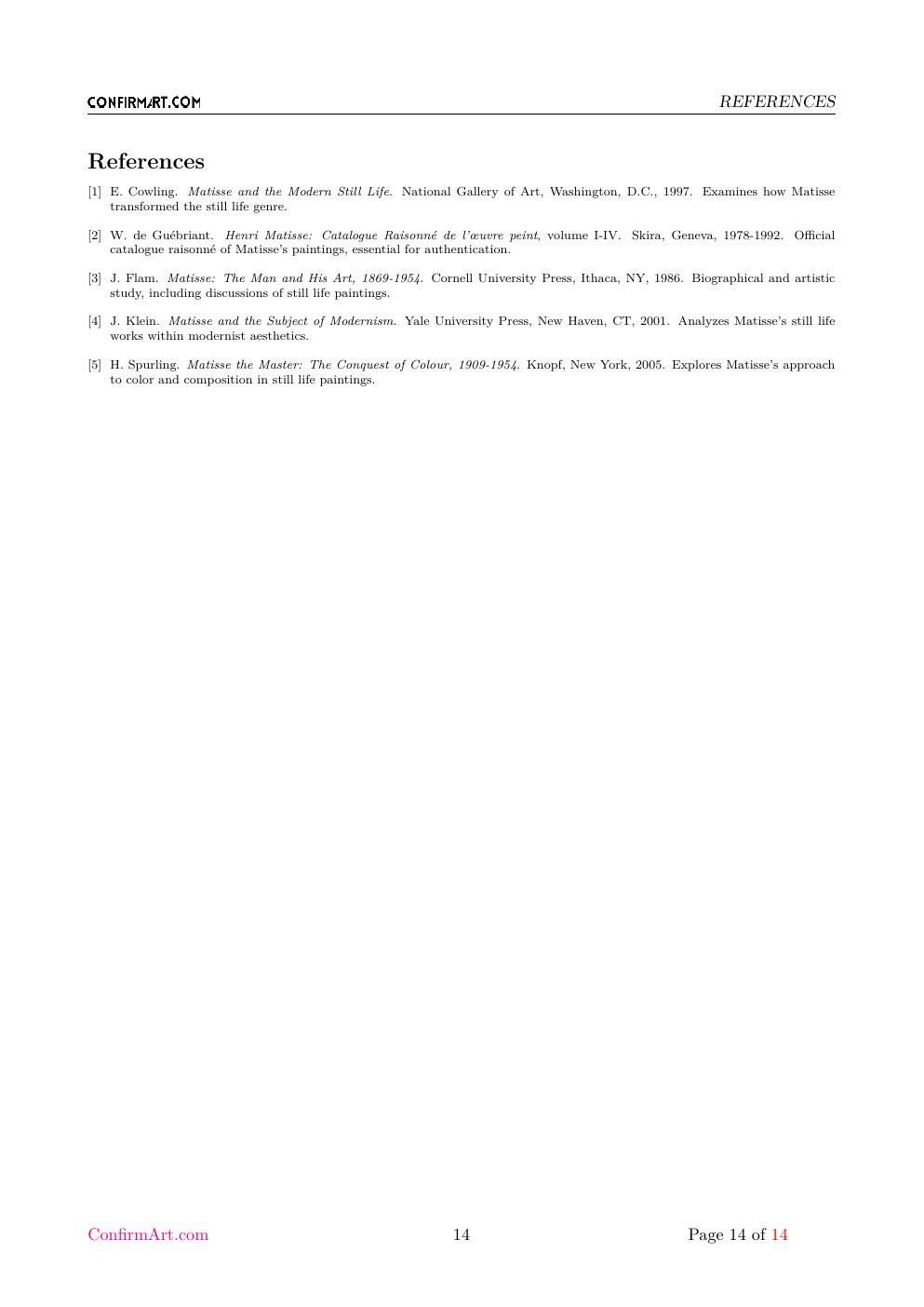
The public browser receives rendered pages, not a native PDF viewer or direct PDF URL. Public pixels can still be screen-captured; private commissioned reports remain controlled client deliverables.
QR verification
This real case has a stable verification URL and source fingerprints. The QR code resolves to the public verification record for this case.
Verify report
Continue reading
Start a private case
Only your email and service selection are needed to submit the request. Optional images, dimensions and notes can be added now or later.
Payment is requested only for the Authentication report. Catalogue search, advisory, restoration and local inspection requests are reviewed first so the scope can be confirmed.
Authentication is a human expert review. ConfirmArt may use AI for bounded research support such as database, image, book or provenance searches, but not as a classifier verdict.