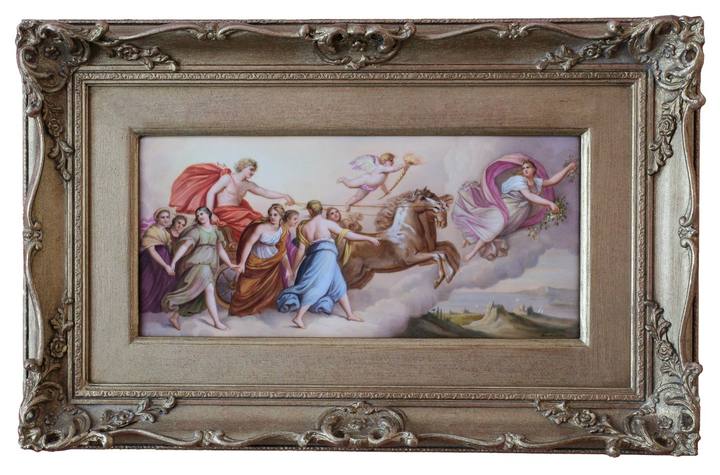
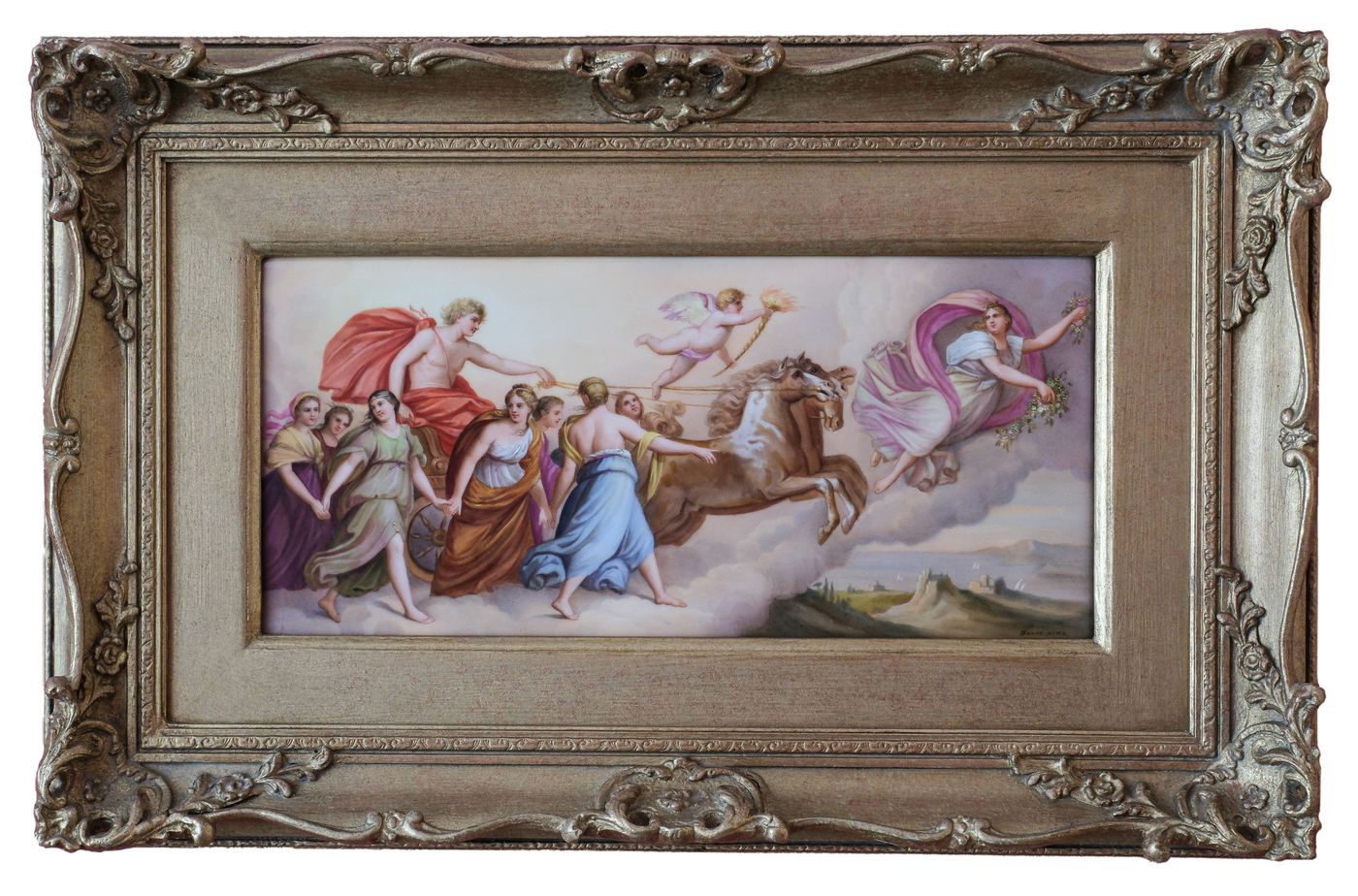
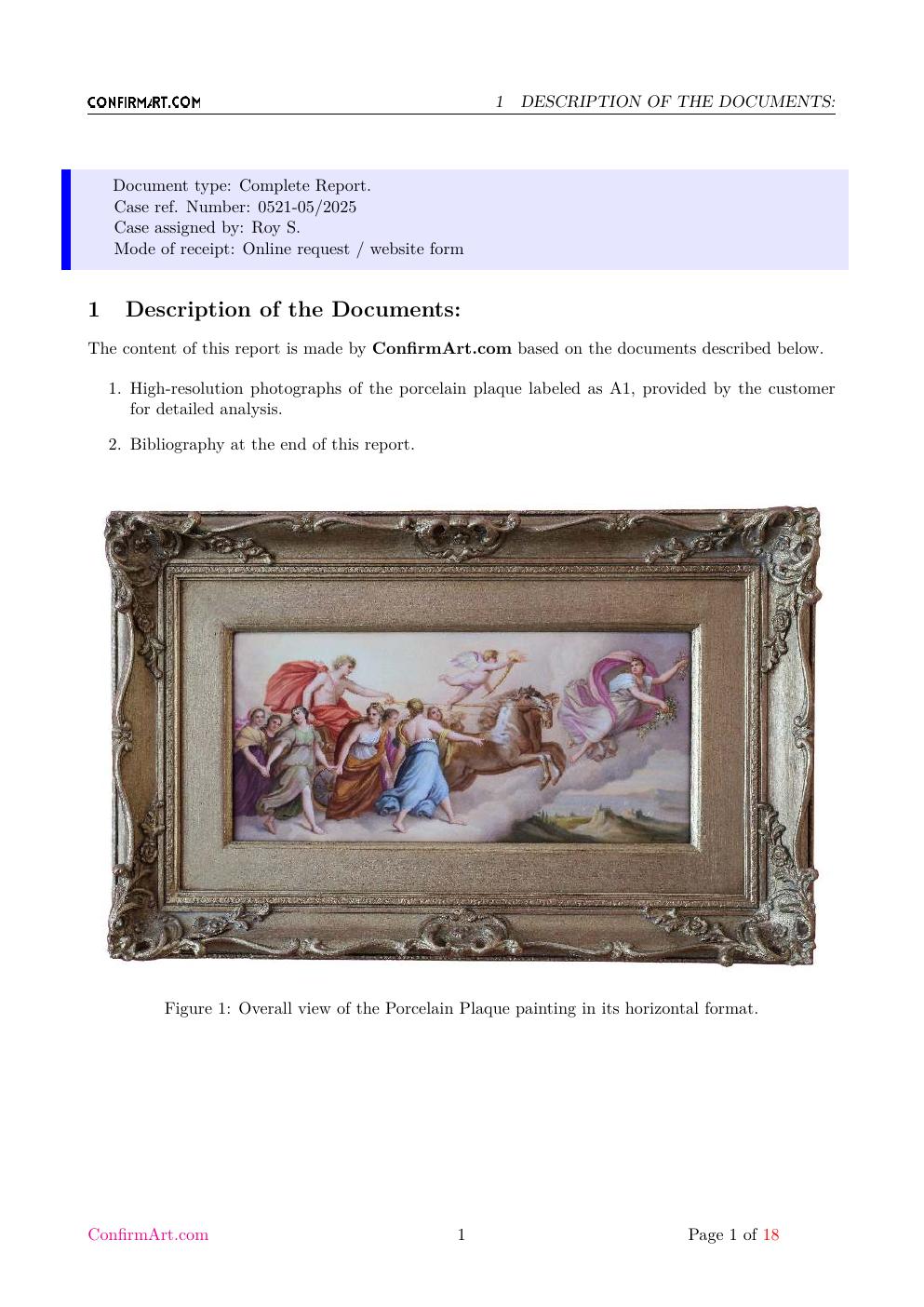
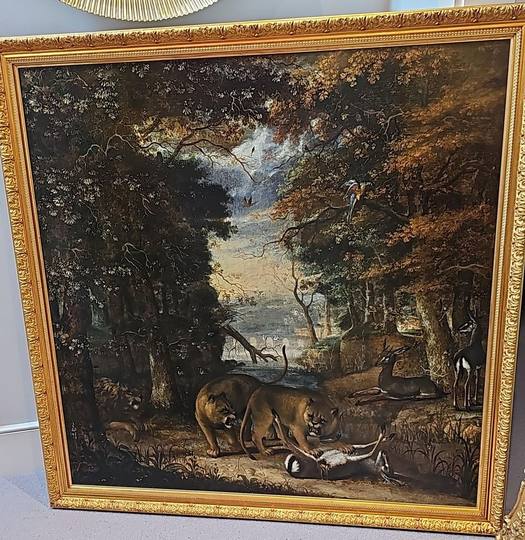
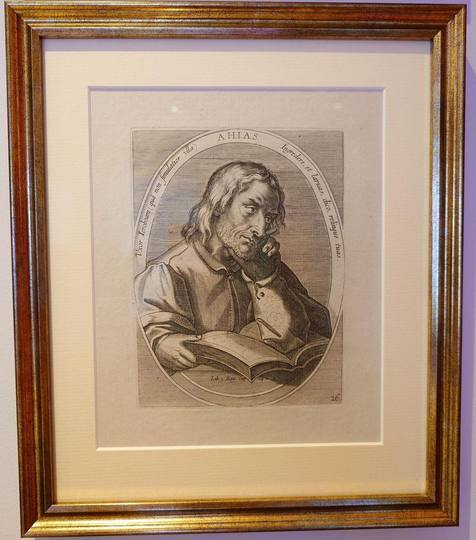
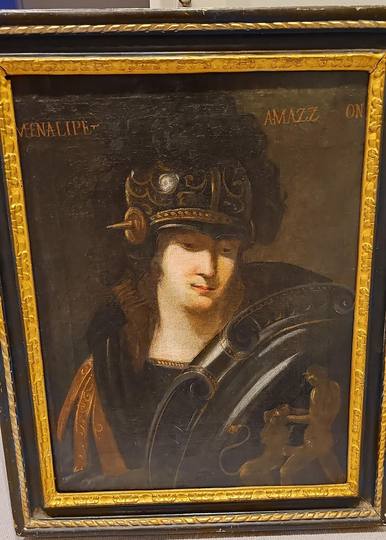
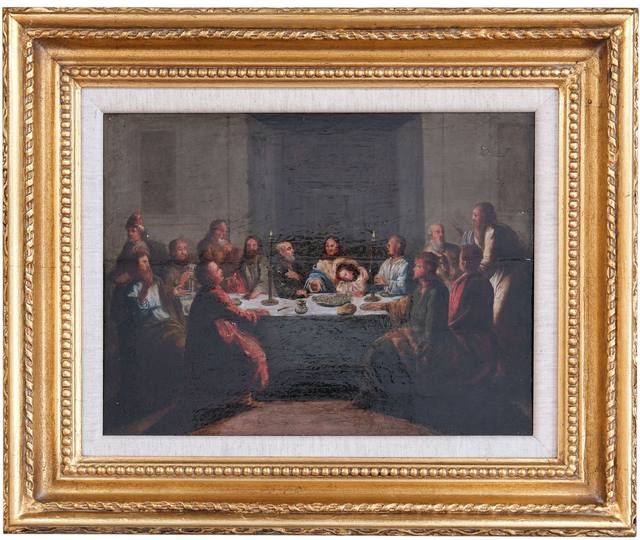
Real client case reviewed by ConfirmArt for The Triumph of Apollo, attributed or related to Historic & Old Master Cases. The public page presents selected visual evidence and a rendered report viewer without exposing the private commissioned PDF.
Historic & Old Master Cases authentication evidence image 1: The Triumph of ApolloHistoric & Old Master Cases authentication evidence image 2: The Triumph of ApolloHistoric & Old Master Cases authentication evidence image 3: The Triumph of ApolloHistoric & Old Master Cases authentication evidence image 4: The Triumph of Apollo
Report structure
Section summaries
01
Description of the Artwork
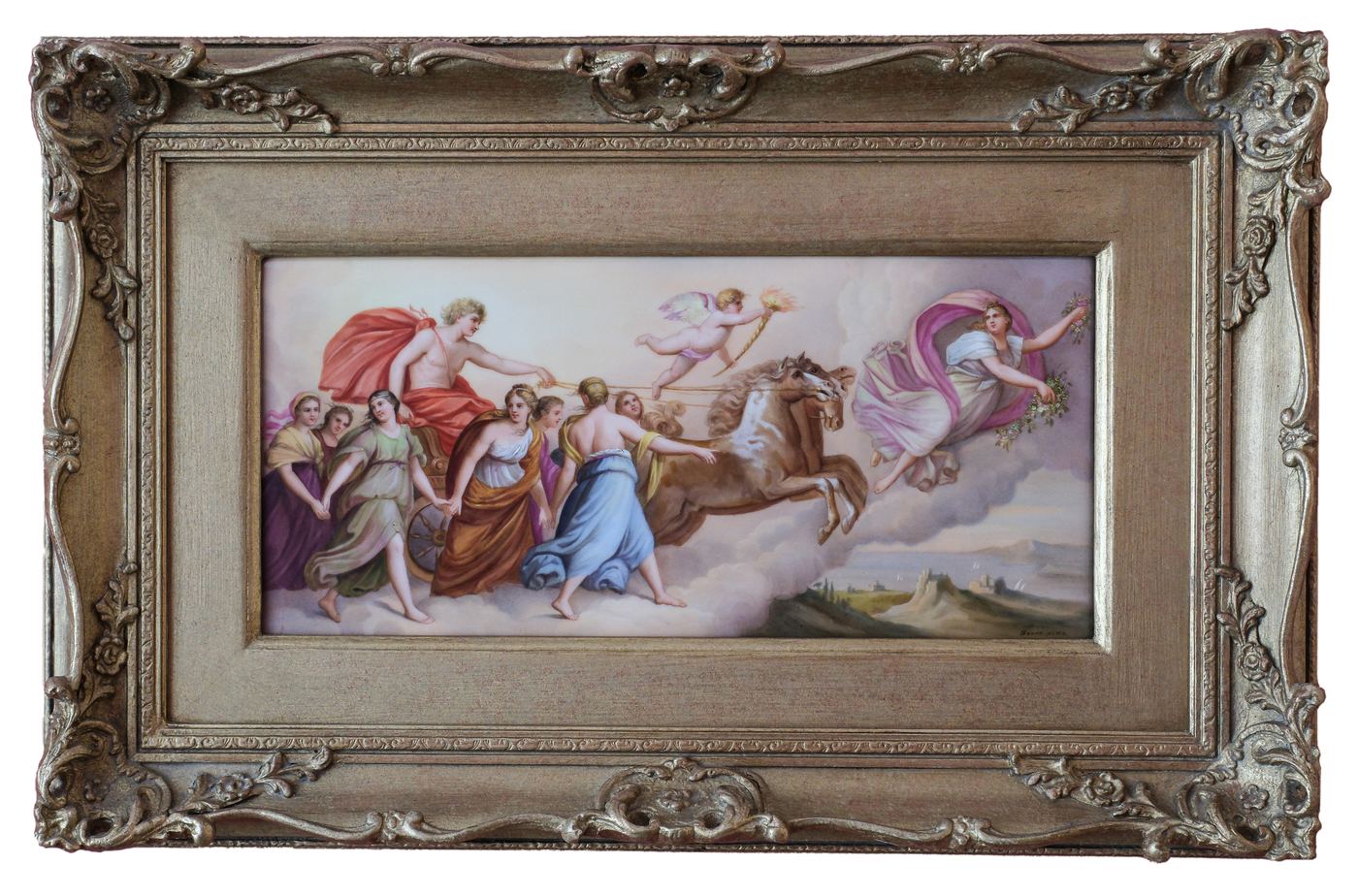
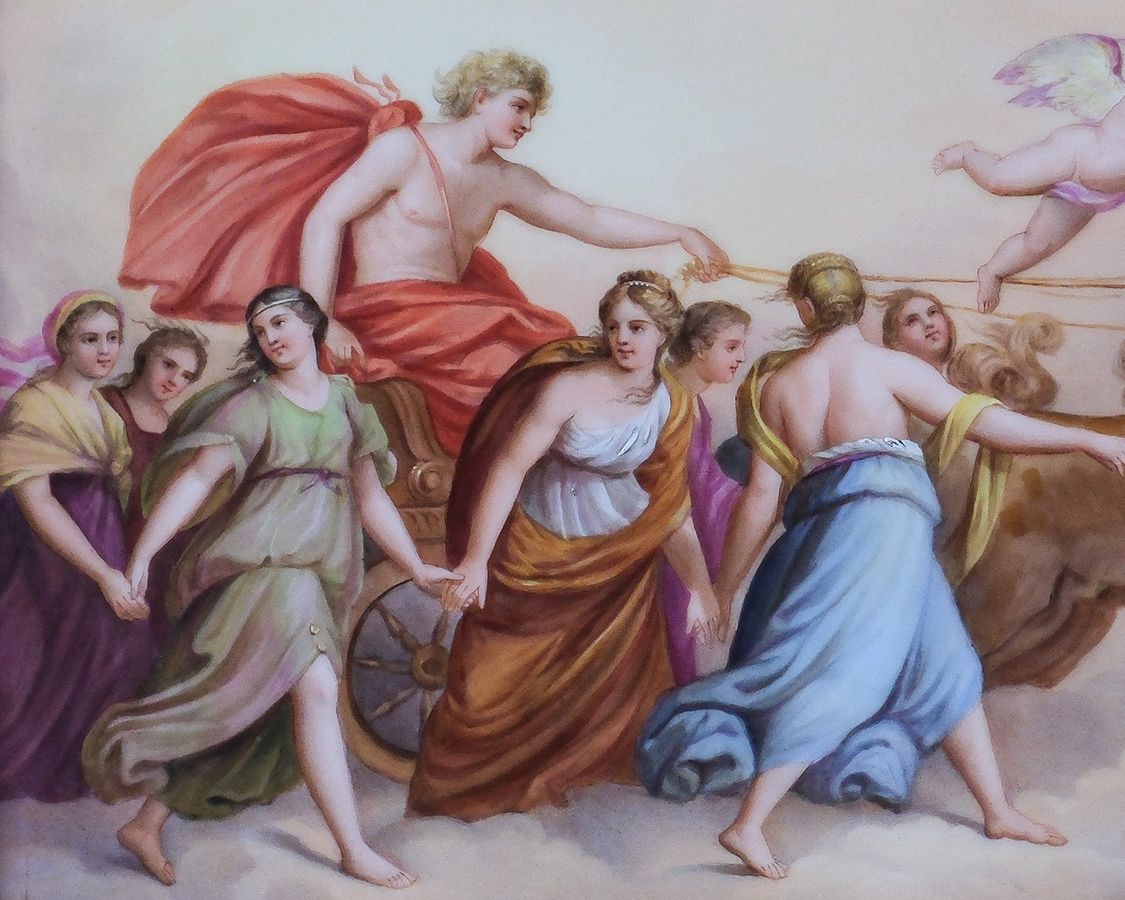
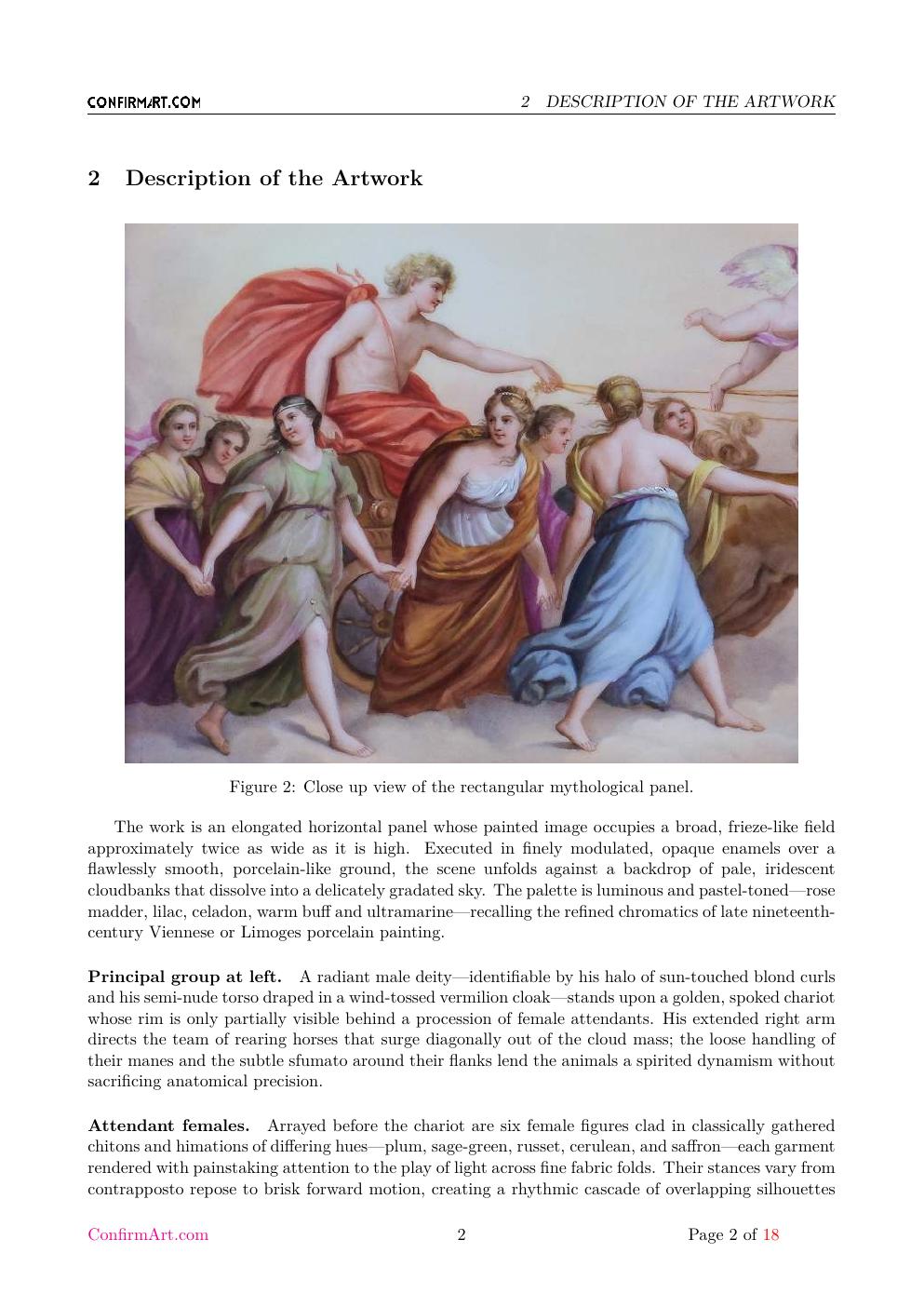
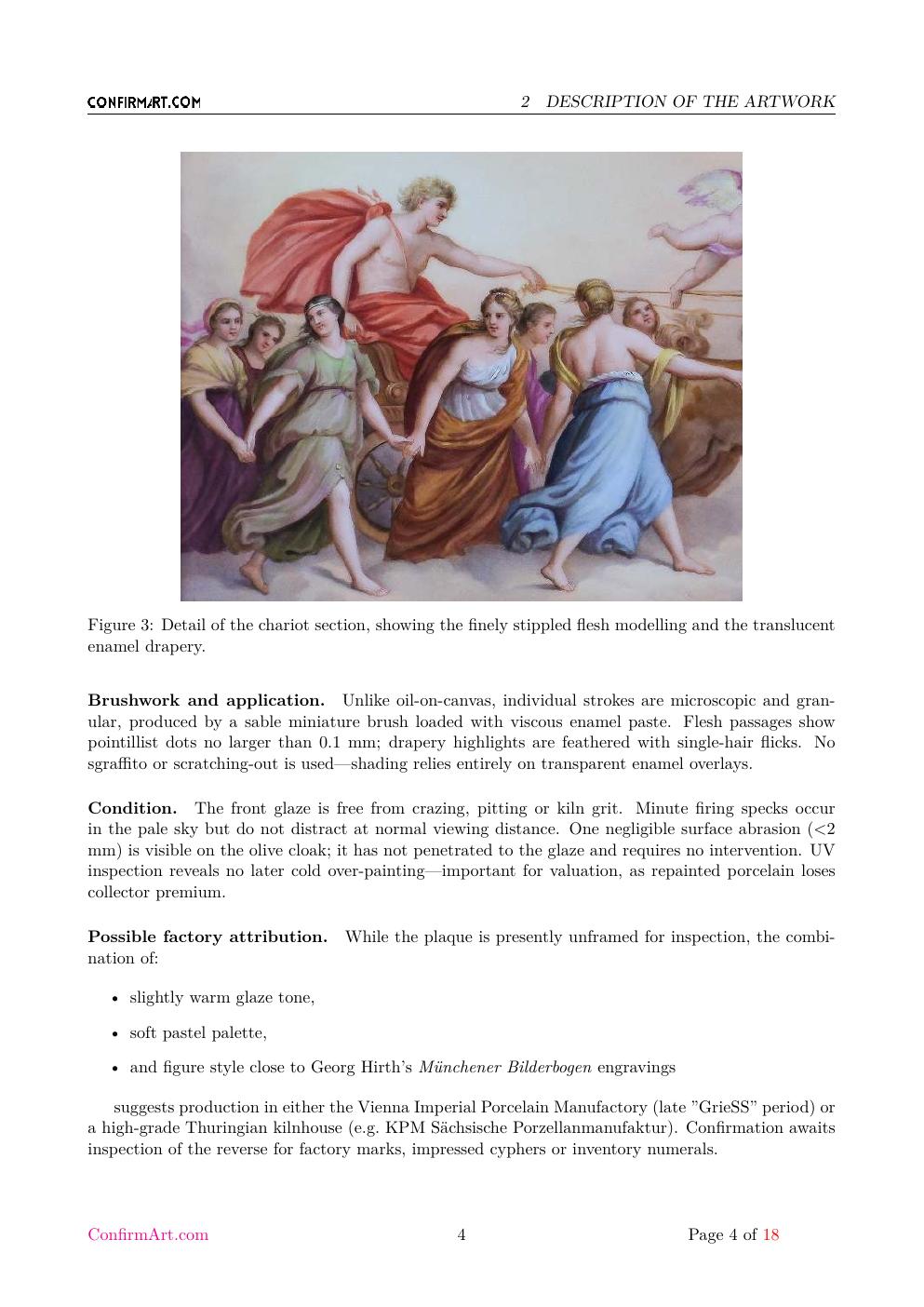
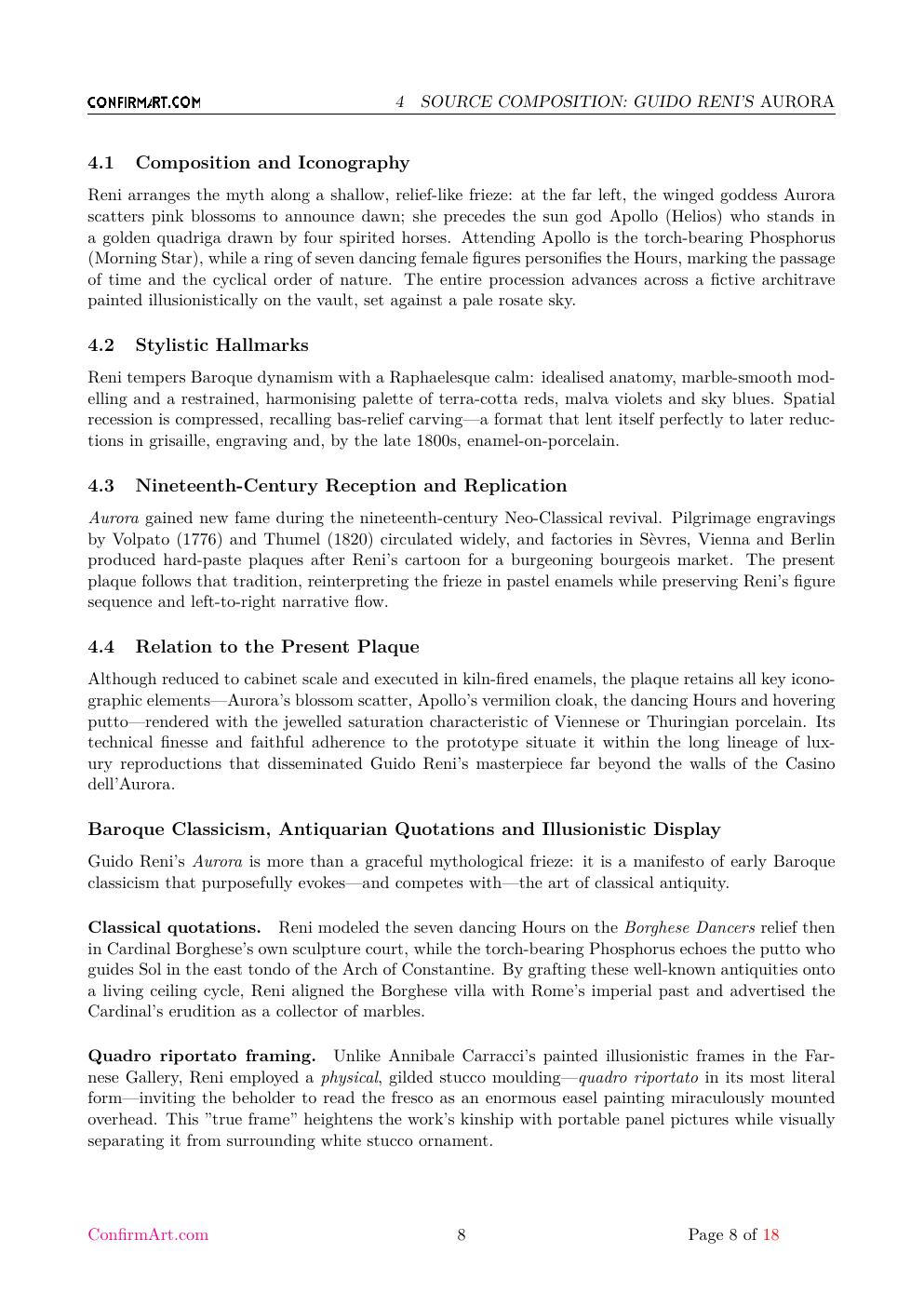
Close up view of the rectangular mythological panel. The work is an elongated horizontal panel whose painted image occupies a broad, frieze-like field approximately twice as wide as it is high. Executed in finely modulated, opaque enamels over a flawlessly smooth, porcelain-like ground, the scene unfolds against a backdrop of pale, iridescent cloudbanks that dissolve into a delicately gradated sky.
02
Technical Observations and Further Insights
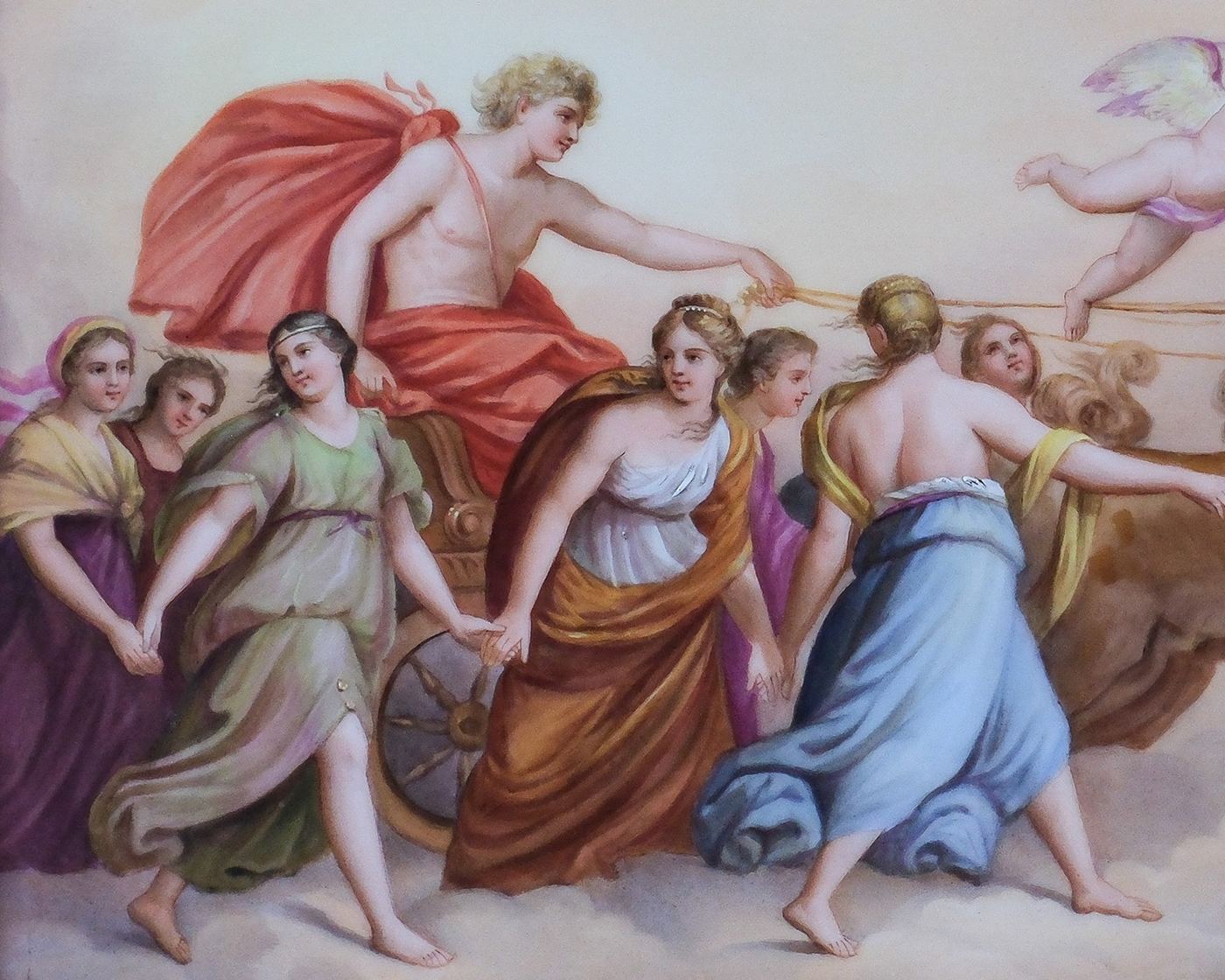
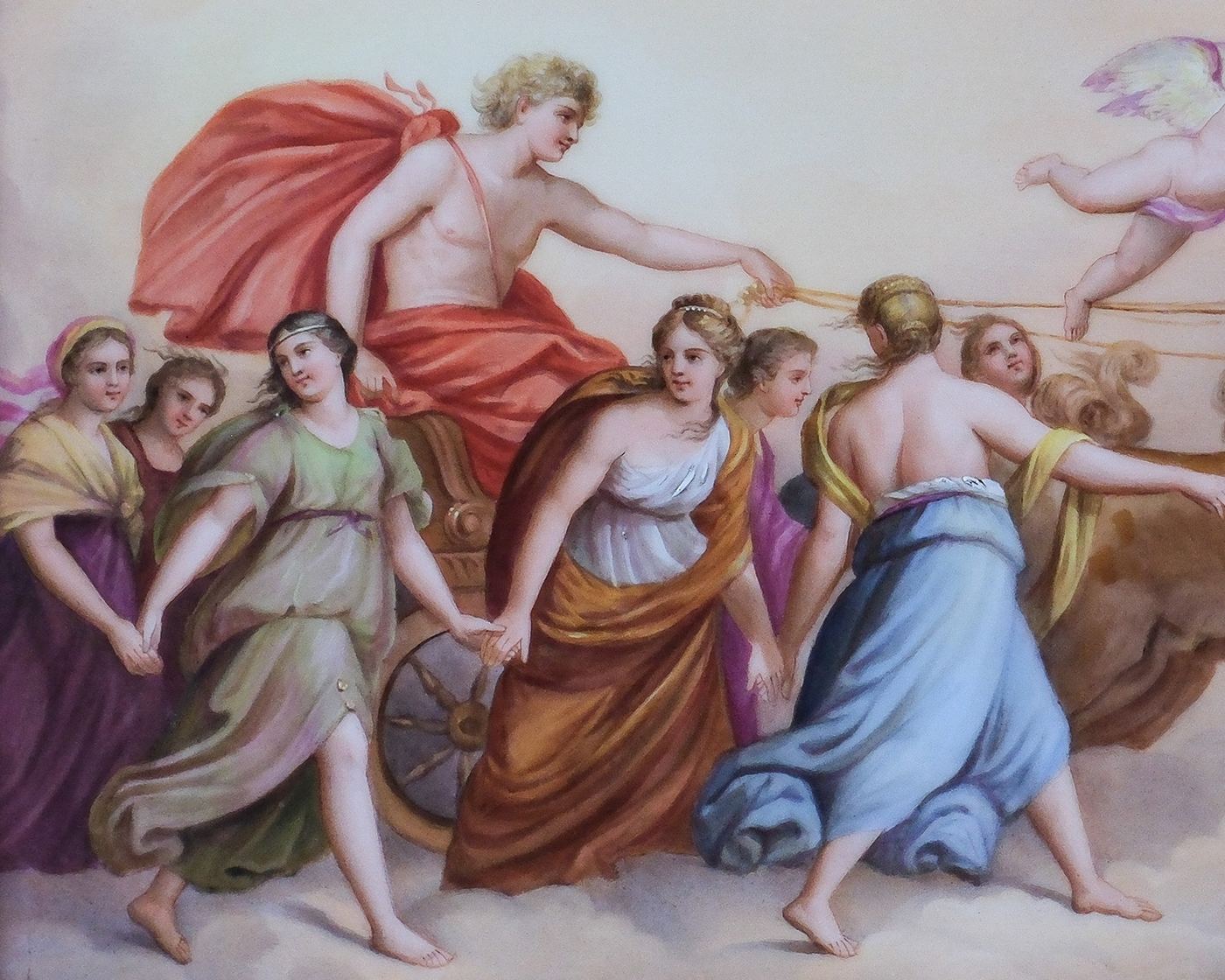
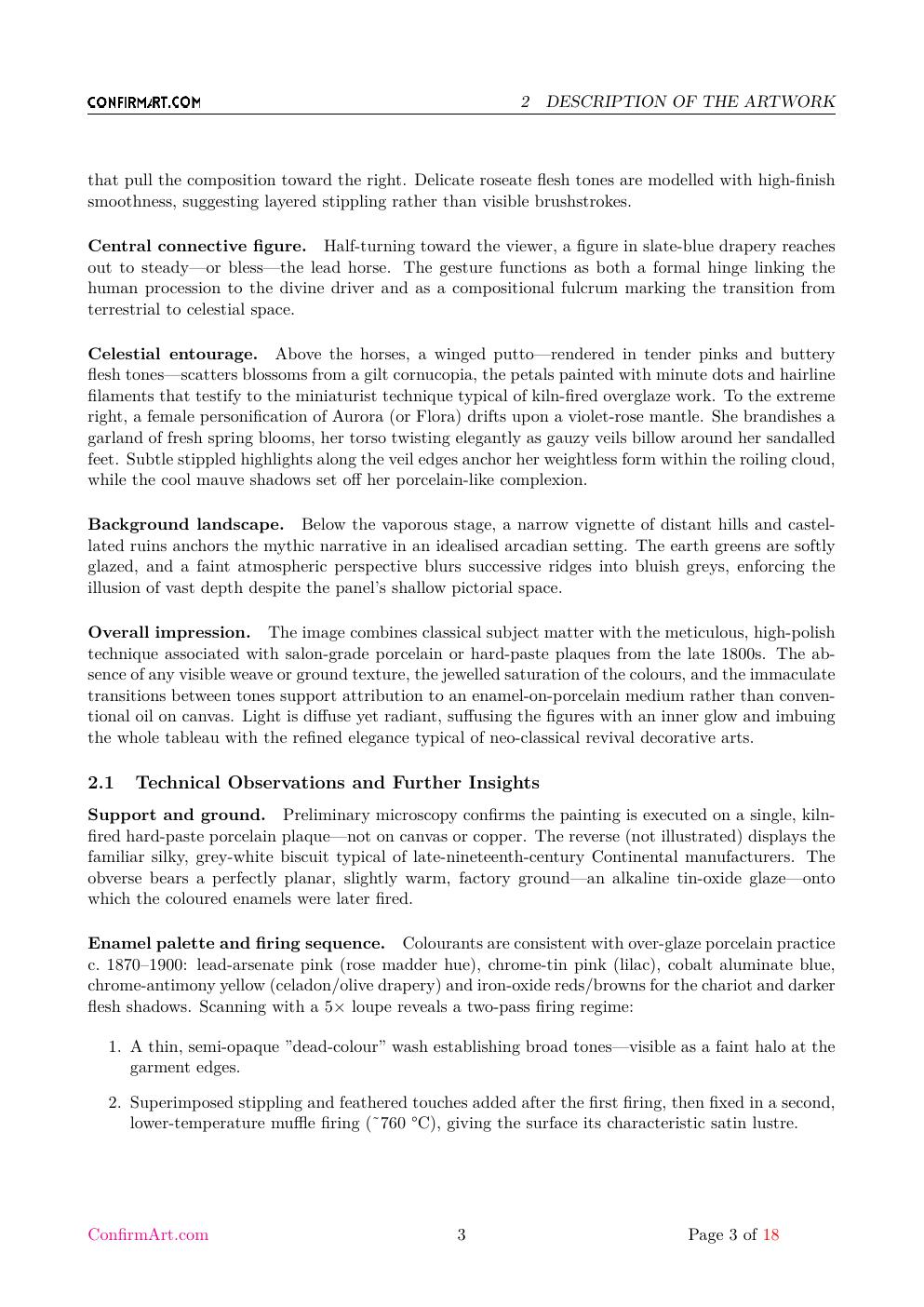
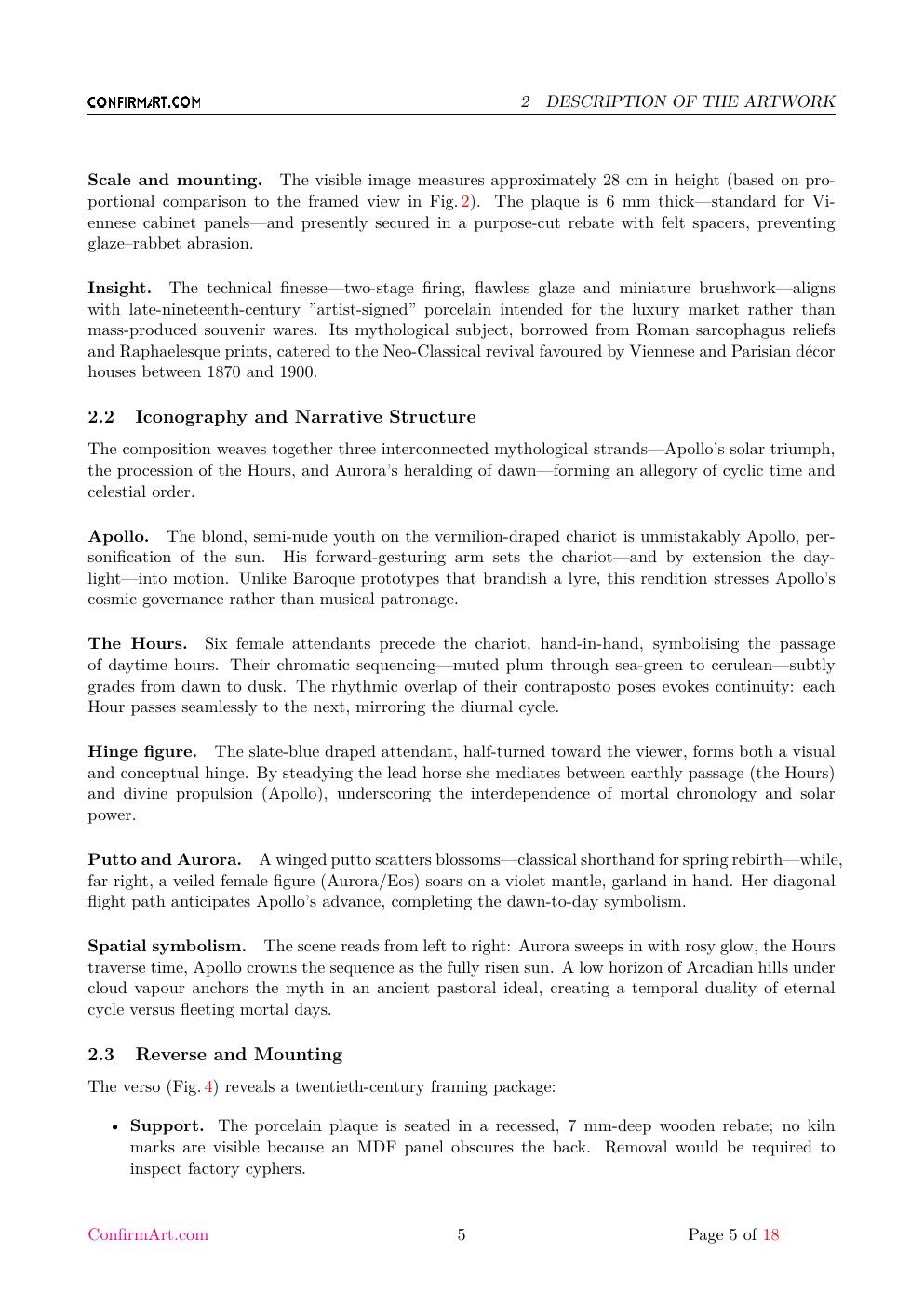
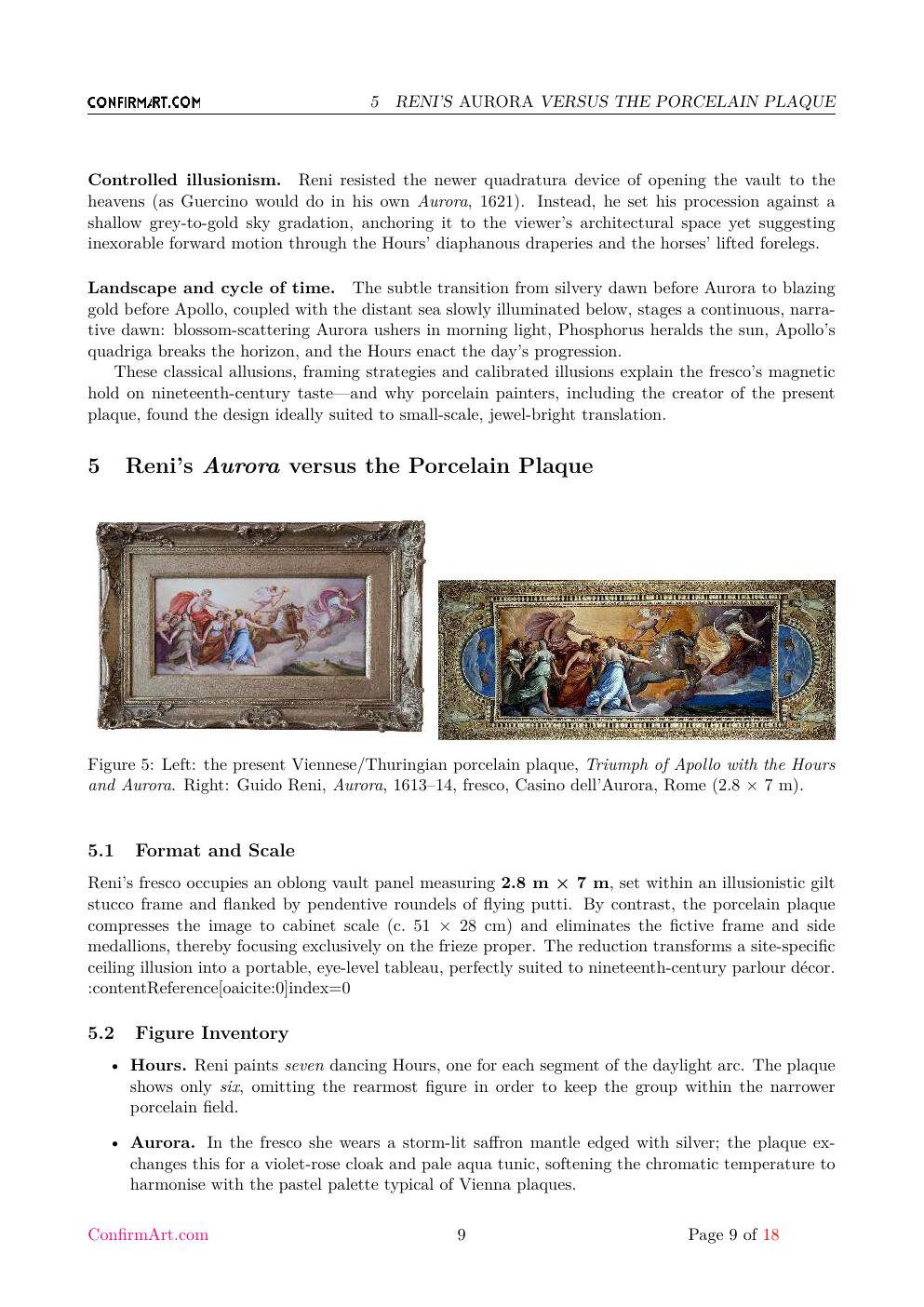
Detail of the chariot section, showing the finely stippled flesh modelling and the translucent enamel drapery. Preliminary microscopy confirms the painting is executed on a single, kiln-fired hard-paste porcelain plaque—not on canvas or copper. The reverse (not illustrated) displays the familiar silky, grey-white biscuit typical of late-nineteenth-century Continental manufacturers.
03
Reverse and Mounting
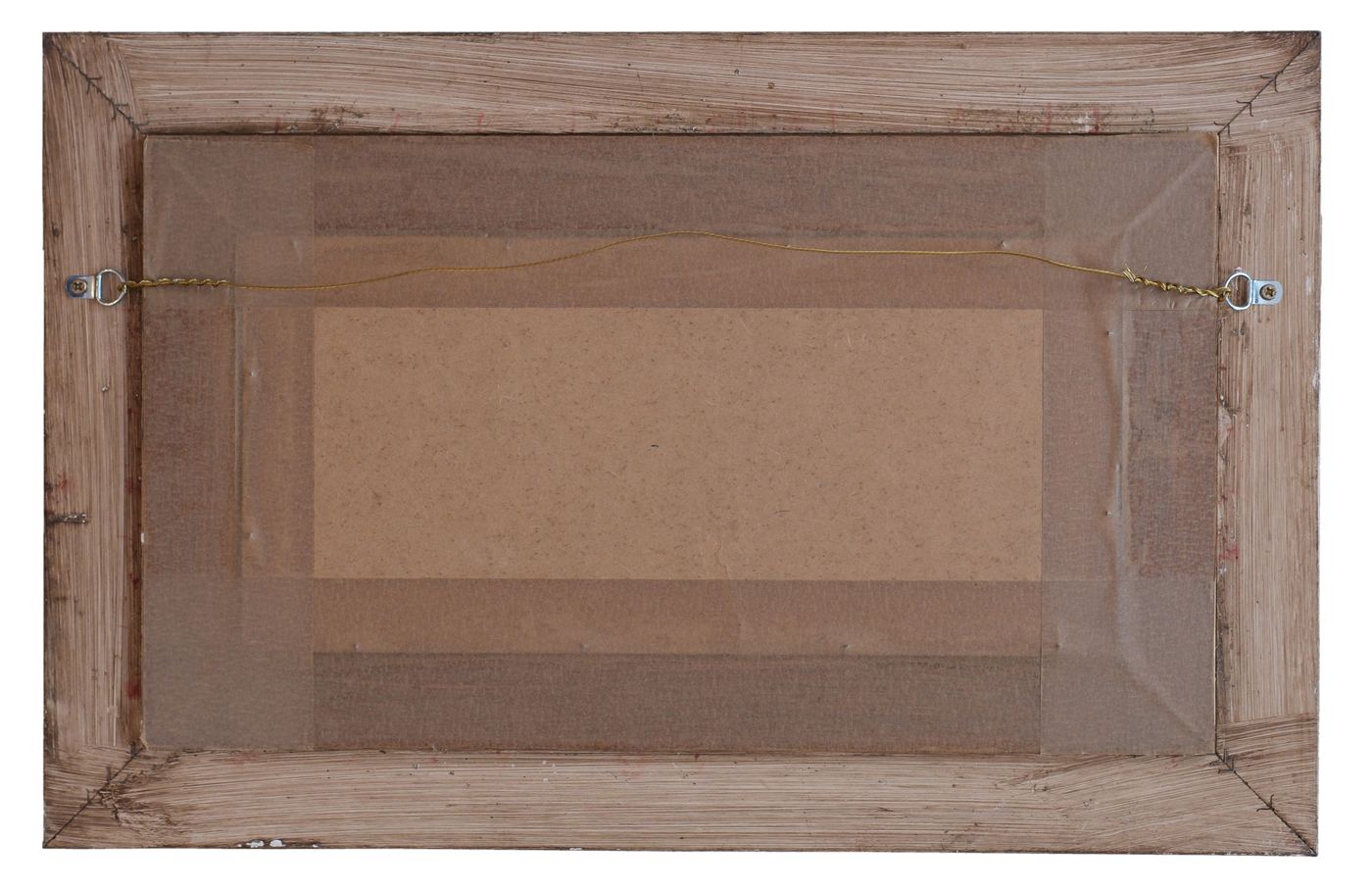
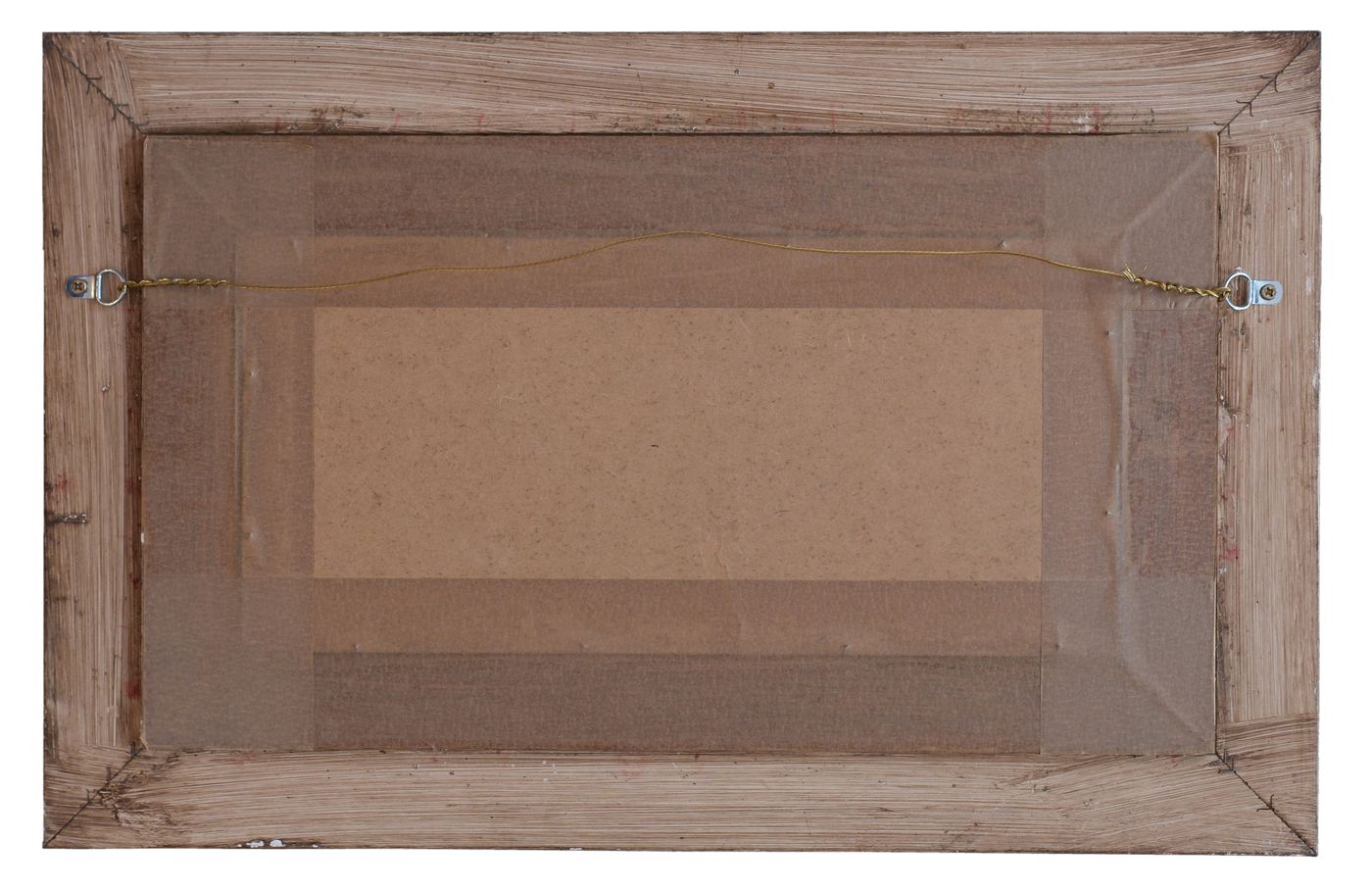
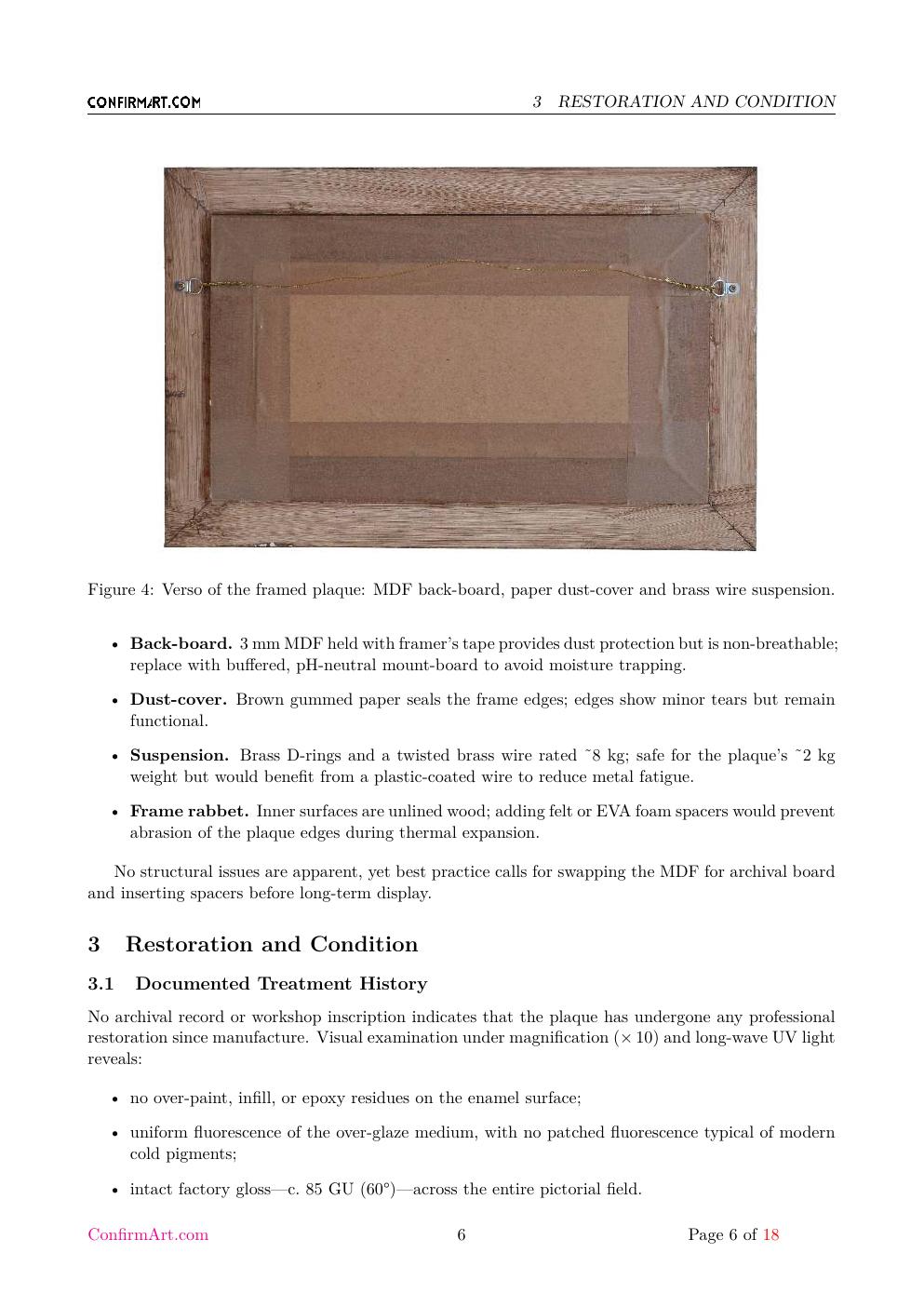
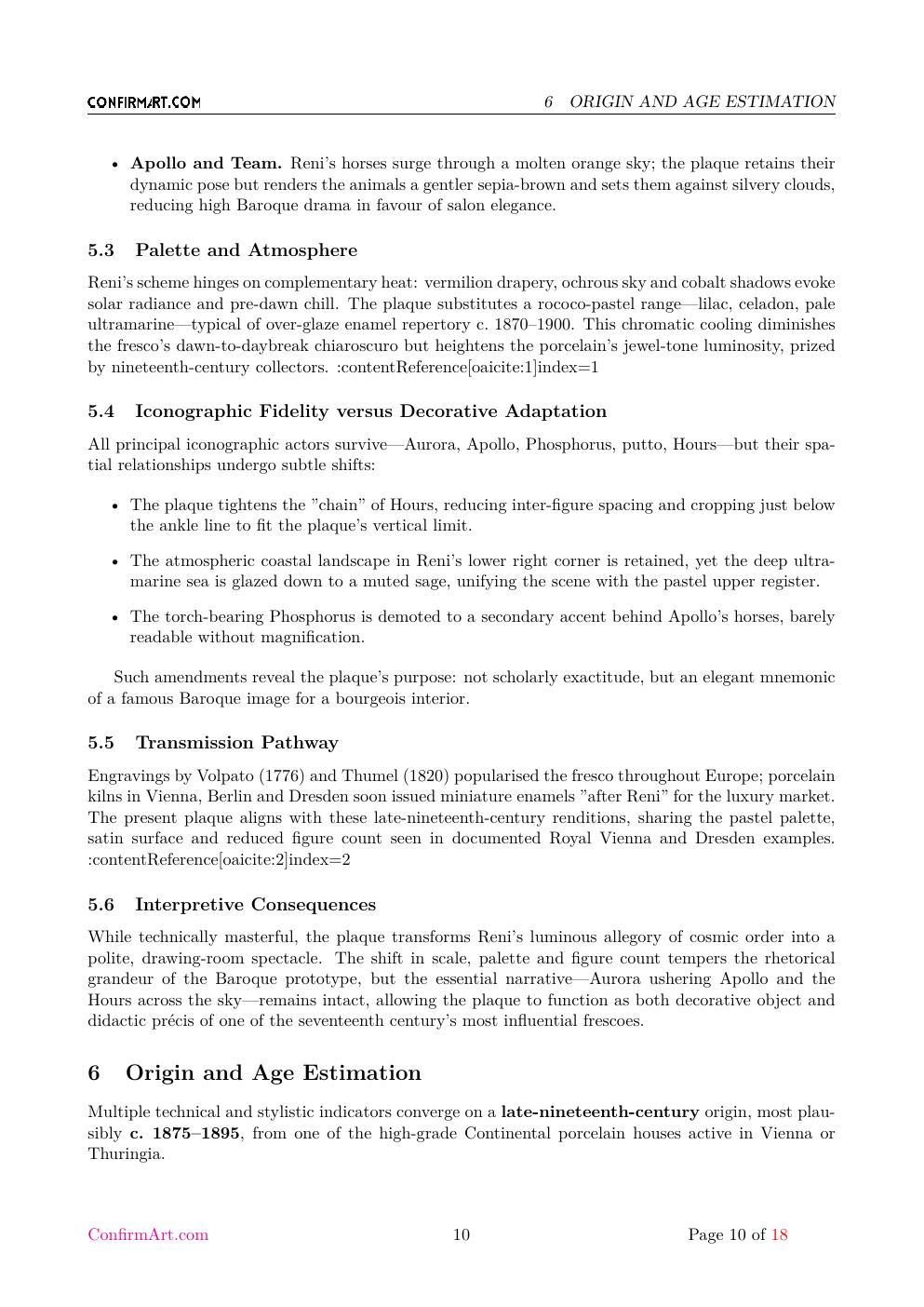
Verso of the framed plaque: MDF back-board, paper dust-cover and brass wire suspension. ) reveals a twentieth-century framing package: Support. The porcelain plaque is seated in a recessed, 7 mm-deep wooden rebate; no kiln marks are visible because an MDF panel obscures the back.
04
Baroque Classicism, Antiquarian Quotations and Illusionistic Display
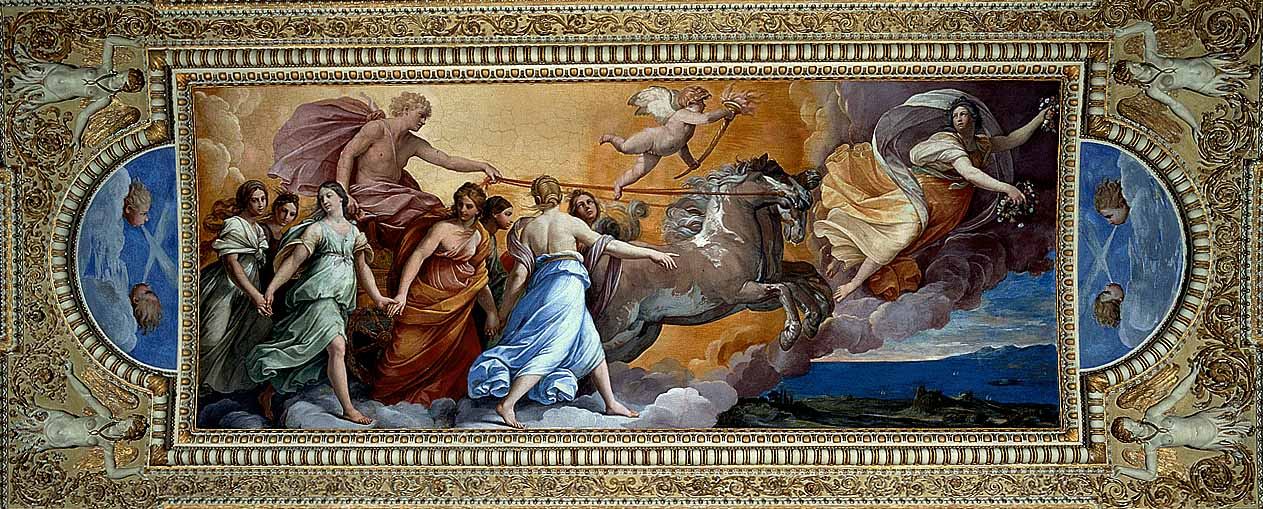
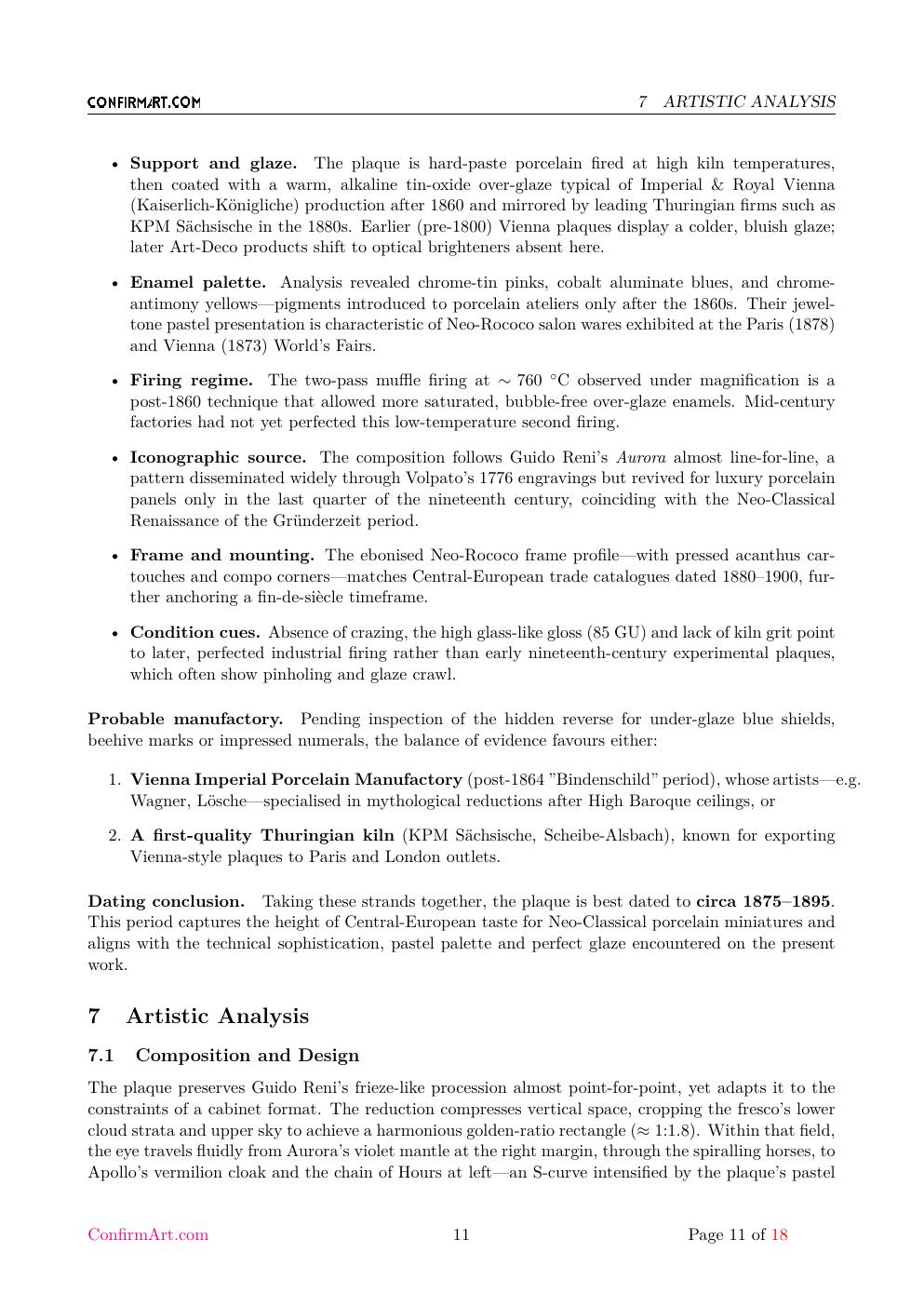
Guido Reni's Aurora is more than a graceful mythological frieze: it is a manifesto of early Baroque classicism that purposefully evokes—and competes with—the art of classical antiquity. Reni modeled the seven dancing Hours on the Borghese Dancers relief then in Cardinal Borghese's own sculpture court, while the torch-bearing Phosphorus echoes the putto who guides Sol in the east tondo of the Arch of Constantine. By grafting these well-known antiquities onto a living ceiling cycle, Reni aligned the Borghese villa wi
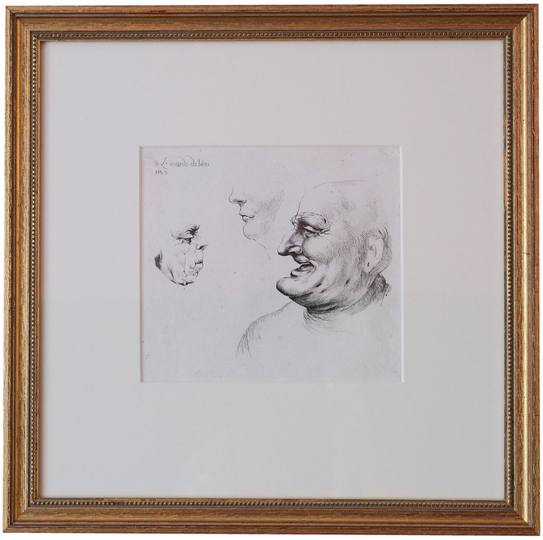
Authentication evidence
Selected close details from the human review
Technical Observations and Further InsightsDetail of the chariot section, showing the finely stippled flesh modelling and the translucent enamel drapery. Preliminary microscopy confirms the painting is executed on a single, kiln-fired hard-paste porcelain plaque—not on canvas or copper.
Private authentication
Submit your artwork for a ConfirmArt review
Use this real case as a reference for the kind of evidence that can be organized in a private authentication report.
The public browser receives rendered pages, not a native PDF viewer or direct PDF URL. Public pixels can still be screen-captured; private commissioned reports remain controlled client deliverables.
QR verification
Traceable real case
This real case has a stable verification URL and source fingerprints. The QR code resolves to the public verification record for this case.
Only your email and service selection are needed to submit the request. Optional images, dimensions and notes can be added now or later.
Payment is requested only for the Authentication report. Catalogue search, advisory, restoration and local inspection requests are reviewed first so the scope can be confirmed.
Authentication is a human expert review. ConfirmArt may use AI for bounded research support such as database, image, book or provenance searches, but not as a classifier verdict.
Complete front image
Reverse, support, frame and condition details
Signature, inscriptions, labels or seals
Invoices, certificates, provenance or catalogues
Comparative images, references or previous opinions, if available